Redesigning Infrastructure: Adapting to a Hotter Climate
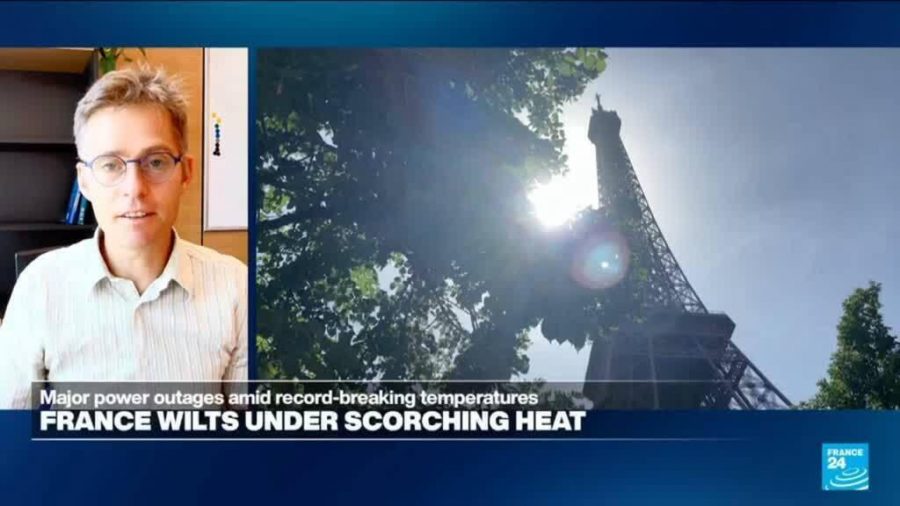
As Europe grapples with the devastating effects of an unprecedented heatwave, experts are calling for a fundamental shift in how we approach climate adaptation. Genie Godula recently spoke with Armel Castellan, an Extreme Heat Services Technical Advisor at the World Meteorological Organization (WMO), who stresses that extreme heat is no longer just a temporary phenomenon but a critical challenge affecting public health, infrastructure, and society as a whole.
A New Understanding of Heatwaves
Castellan argues that the heat extremes we are witnessing today should be viewed as the new baseline, setting the stage for even hotter conditions in the future. This perspective reframes heatwaves from mere discomfort to complex crises that intertwine with various sectors, including human health, energy, housing, agriculture, water security, and emergency services.
Public Health at Risk
The impact of extreme heat on public health cannot be overstated. Castellan highlights that rising temperatures contribute to increased cases of heat-related illnesses, particularly among vulnerable populations such as the elderly and those with preexisting health conditions. Hospitals are already feeling the strain as they cope with the surge in heat-related admissions, prompting urgent calls for better preparedness and infrastructure redesign.
Infrastructure Challenges
In light of these challenges, Castellan emphasizes the need for a comprehensive reevaluation of infrastructure. Traditional systems, designed for a different climate, are increasingly inadequate. Roads, bridges, and buildings must be re-engineered to withstand higher temperatures and more frequent heatwaves. Urban planners and engineers are urged to integrate climate resilience into their designs, considering factors such as increased thermal loading and the need for efficient cooling systems.
Energy Systems Under Pressure
Energy systems are also under significant pressure during heatwaves. The demand for electricity surges as people seek relief from the heat through air conditioning and cooling systems. Castellan warns that this increased demand can lead to power outages and strain on the grid, necessitating a rethink of energy infrastructure and the promotion of renewable energy sources to mitigate the effects of extreme heat.
Agriculture and Water Security
Agriculture faces its own set of challenges as extreme heat affects crop yields and water availability. Castellan notes that farmers must adapt to changing climate conditions by adopting resilient agricultural practices and diversifying crops. Water security is another critical issue, with rising temperatures leading to increased evaporation and reduced water supply. Sustainable water management practices are essential to ensure a reliable water source amidst the intensifying heat.
Emergency Services and Community Resilience
Emergency services play a vital role in responding to the crises triggered by extreme heat. Castellan advocates for better training and resources for first responders, ensuring they are equipped to handle heat-related emergencies effectively. Community resilience is equally important; public awareness campaigns can help individuals protect themselves and their families during heatwaves, fostering a culture of preparedness.
Conclusion: Reimagining Our Future
As Europe continues to experience the harsh realities of climate change, the message from experts like Armel Castellan is clear: we must rethink our approach to infrastructure and public health in the face of extreme heat. By adopting a proactive mindset and integrating climate resilience into our systems, we can better prepare for the hotter futures that lie ahead. Addressing these challenges requires collaboration across sectors, innovative thinking, and a commitment to building a sustainable and resilient society.