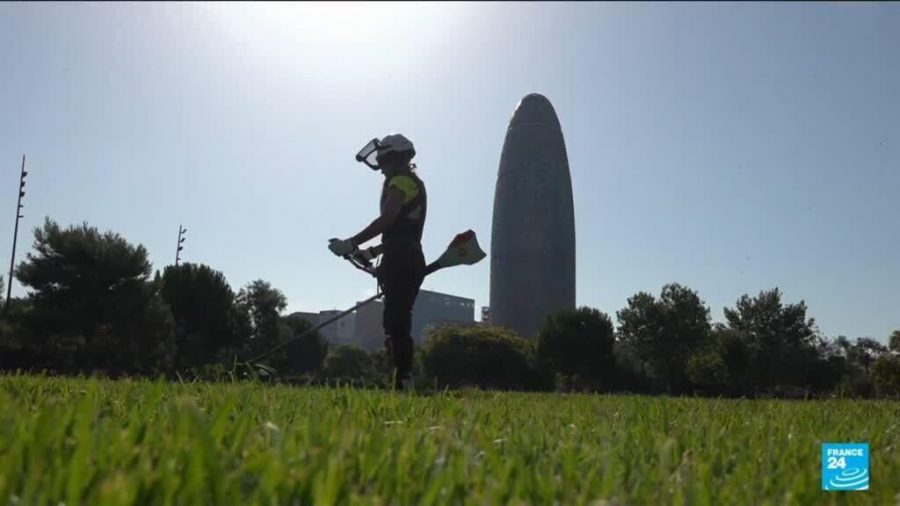
Adapting to Extreme Heat: Spain’s Response to Climate Challenges
As one of Europe’s southernmost nations, Spain has long been accustomed to soaring temperatures. However, the relentless heatwaves have intensified in recent years, prompting the country to implement a series of innovative measures aimed at protecting its workforce and addressing climate-related challenges.
The Impact of Climate Change
In 2024, Spain faced devastating floods that were attributed to climate change, serving as a wake-up call for policymakers and citizens alike. The extreme weather events highlighted the urgent need for proactive measures to mitigate the effects of rising temperatures and unpredictable weather patterns.
New Measures for a Changing Climate
In response to these challenges, Spain has introduced a suite of initiatives designed to safeguard its workers from the dangers of extreme heat. Among the most notable measures are adjustments to working hours and the introduction of ‘climate leave’.
Reduced Working Hours
One of the most significant changes has been the adaptation of working hours during periods of extreme heat. The government has encouraged businesses to start the workday earlier in the morning or extend breaks during the hottest parts of the day. This approach not only helps to protect employees from heat-related illnesses but also aims to improve overall productivity by allowing workers to operate in more comfortable conditions.
Climate Leave: A New Kind of Paid Time Off
In a groundbreaking move, Spain has also introduced a maximum of four days of paid leave for employees facing climate-related difficulties. This ‘climate leave’ recognizes the reality that extreme weather can disrupt lives and livelihoods. Whether it’s dealing with the impact of heatwaves, floods, or other climate-related challenges, this leave provides workers with the necessary time to recover and adapt.
Supporting Workers and Businesses
The implementation of these measures has been met with mixed reactions. Many workers welcome the changes, citing the importance of health and safety in the workplace. Employers, on the other hand, express concerns about the potential impact on productivity and operational costs. To address these concerns, the government has launched resources and support programs to help businesses adapt to the new regulations.
Public Health and Safety at the Forefront
Public health experts have lauded Spain’s proactive approach to managing heatwaves. By prioritizing worker safety and well-being, the government aims to reduce heat-related illnesses, which can lead to long-term health issues and increased healthcare costs. This focus on public health also aligns with broader efforts to combat climate change and promote sustainable practices across various sectors.
Looking Ahead: A Sustainable Future
As Spain continues to grapple with the realities of climate change, the measures implemented in response to heatwaves are just the beginning. Policymakers are exploring additional strategies to enhance resilience against extreme weather, including investments in green infrastructure, renewable energy sources, and community education programs.
Conclusion
Spain’s innovative approach to managing heatwaves through reduced working hours and climate leave serves as a model for other nations facing similar challenges. As climate change continues to impact weather patterns, it is crucial for countries to adopt forward-thinking policies that prioritize worker safety and environmental sustainability.