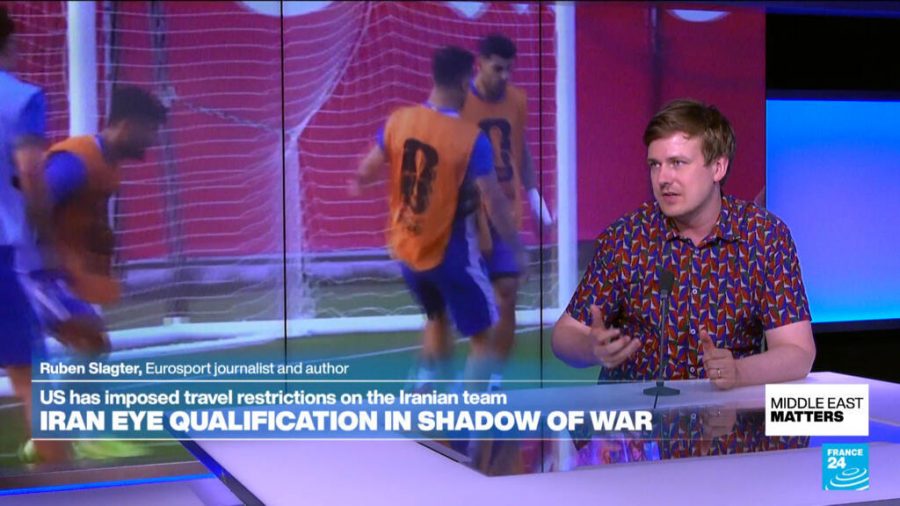
Historic Participation of MENA Countries in the 2026 World Cup
The excitement is palpable as the 2026 FIFA World Cup approaches, promising a tournament unlike any other. For the first time in history, more nations from the Middle East and North Africa (MENA) region will compete, marking a significant milestone for football fans from Morocco to Jordan. This unprecedented representation reflects not only the growing talent in the region but also a shift in the global football landscape.
Unprecedented Representation on the Global Stage
The 2026 tournament, co-hosted by the United States, Canada, and Mexico, will feature an expanded format that allows for more teams than ever before. Among the nations from the MENA region poised to make their mark are Morocco, Qatar, and Saudi Arabia, each bringing their unique footballing heritage and fervent fan bases to the world stage.
- Morocco: Following their historic run in the 2022 World Cup, where they became the first African nation to reach the semifinals, Morocco is set to continue its legacy of excellence.
- Qatar: As the host of the previous World Cup, Qatar aims to leverage its experience and showcase its growing footballing prowess on the international stage.
- Saudi Arabia: With a rich history in the sport and a commitment to developing its football programs, Saudi Arabia looks to make a strong impression in 2026.
The Intersection of Sports and Politics
However, as is often the case with global sporting events, the World Cup is not immune to the complexities of politics. Iran, a nation with a troubled relationship with several competing countries, adds an intriguing layer to the tournament. For the first time, a World Cup will unfold while one of the host nations is engaged in tensions with a competing country. This situation raises questions about the role of sports as a unifying force, especially in a region marked by conflict.
As fans gear up for the matches, the backdrop of political strife cannot be ignored. The potential for protests and political statements during the tournament could reflect the sentiments of the people, turning the event into a platform for broader discussions beyond the pitch.
Fan Engagement and Cultural Exchange
Despite the political tensions, the enthusiasm among fans from MENA countries is palpable. Many are eagerly anticipating the opportunity to cheer for their teams and connect with supporters from around the world. The World Cup serves as a cultural exchange, where different nations come together to celebrate the beautiful game.
Fans are also looking forward to experiencing the diverse cultures that the host nations will bring to the tournament. From culinary delights to traditional performances, the World Cup offers a unique chance for cultural immersion that transcends borders.
Looking Ahead: A Bright Future for MENA Football
The increased participation of MENA countries in the 2026 World Cup signals a bright future for football in the region. As these nations invest in their football programs and develop young talent, the potential for success on the global stage continues to grow. Fans and players alike are hopeful that this tournament will pave the way for future generations of footballers from the MENA region.
In conclusion, the 2026 World Cup is not just a sporting event; it is a historic moment for the MENA region, filled with hope, excitement, and the promise of change. As the world turns its eyes to the pitch, the stories of triumph, resilience, and unity will undoubtedly unfold, making this tournament one to remember.