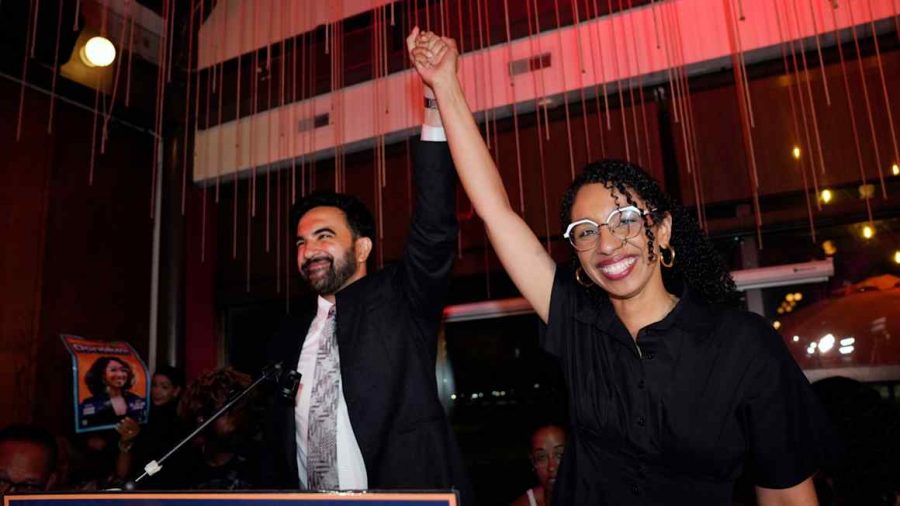
New York’s Progressive Surge: A Challenge for Democrats
In the heart of New York, a political revolution is brewing as the state’s socialist insurgency gains momentum. This wave of progressive victories is sending shockwaves through the Democratic Party, raising concerns about the party’s strategies as the November elections approach.
Progressive Wins Signal a Shift
Recent electoral outcomes in New York have showcased the power of progressive candidates, many of whom identify with socialist ideals. These candidates have not only defeated establishment figures but have also energized a base of younger voters disillusioned by traditional party politics. As they push for sweeping reforms, from universal healthcare to climate justice, their success is igniting fierce debates within the Democratic Party about the direction it should take.
Divisions Within the Democratic Party
The rise of progressives has exposed deep divisions among Democrats regarding their approach to the upcoming elections, especially in the context of facing former President Donald Trump. While some party leaders advocate for a centrist strategy focused on broad appeal, others argue that embracing progressive policies is essential to invigorate the electorate.
- Progressive Leaders: Figures like Alexandria Ocasio-Cortez and other left-leaning representatives argue that the party must align itself with the desires of its grassroots supporters.
- Centrist Concerns: Moderate Democrats express fears that a shift towards the left could alienate traditional party voters, particularly in swing states where moderate policies have historically prevailed.
- Voter Engagement: Progressive leaders believe that their policies will engage younger voters and those disenchanted with the political status quo, thereby increasing voter turnout.
The Road to November
As the November elections draw near, party strategists are grappling with how to balance these contrasting philosophies. Some believe that a unified front is essential, while others fear that compromise could lead to a lack of enthusiasm among the base. The stakes are high, and the need for a cohesive message is more critical than ever.
With Trump’s looming candidacy, Democrats recognize that they cannot afford to be divided. Each faction within the party is keenly aware that the outcome of the elections could redefine American politics for years to come. The tension between progressives and moderates is palpable, with both sides vying for influence in shaping the party’s platform.
Looking Ahead
As the party navigates this internal struggle, the question remains: Can the Democrats find common ground? The success of progressives in New York might serve as a blueprint for a new electoral strategy, or it could deepen the rift that threatens to fracture the party before the pivotal elections.
In conclusion, the developments in New York reflect a broader trend within the Democratic Party: a battle for its soul as it attempts to reconcile the demands of a changing electorate with the realities of a polarized political landscape. As the November elections approach, the urgency to address these divisions becomes increasingly paramount.