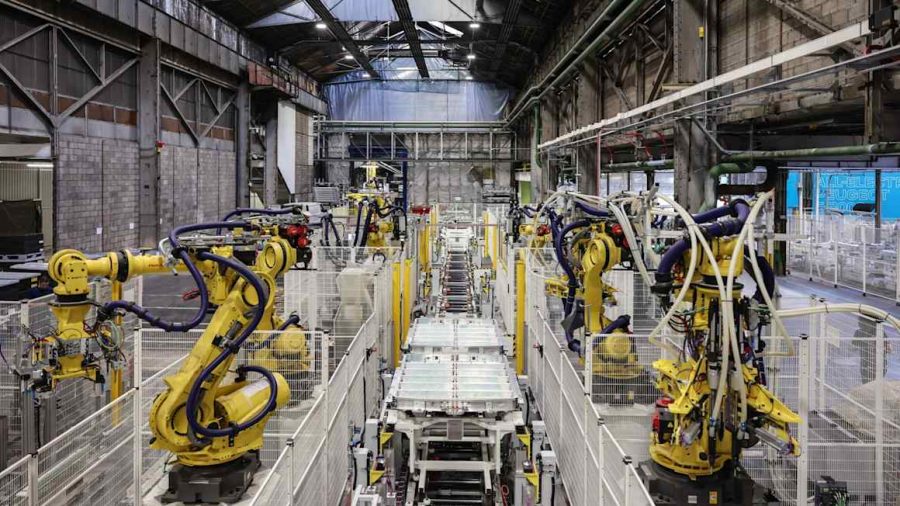
The Rise of Robotics in Industry
As artificial intelligence (AI) continues to evolve, many are quick to associate its potential with advancements in chatbots and virtual assistants. However, a deeper look into the future of AI reveals that the true game-changers will likely be robots operating on factory floors, drastically transforming economies in the developed world.
The Manufacturing Revolution
In recent years, the manufacturing sector has seen a significant shift with the introduction of robotics powered by AI. Unlike chatbots, which primarily enhance customer service and engagement, robots in factories can streamline production processes, reduce human error, and increase efficiency. As industries grapple with increasing demand and the need for rapid innovation, these advanced machines are emerging as pivotal players.
Enhancing Productivity
One of the key benefits of deploying robots in manufacturing is the substantial boost in productivity. According to a report by the International Federation of Robotics, the use of industrial robots can enhance production rates by as much as 30%. This is particularly crucial for industries in wealthy nations that face labor shortages and rising production costs.
- Improved Efficiency: Robots can work around the clock without fatigue, leading to a significant increase in output.
- Precision and Quality: AI-powered robots can perform tasks with a level of accuracy that far exceeds human capabilities, minimizing waste and ensuring high-quality products.
- Cost Savings: While the initial investment in robotic technology can be high, the long-term savings from reduced labor costs and increased efficiency make it a financially viable option for many companies.
Job Displacement or Job Creation?
One of the major concerns surrounding the rise of robots in manufacturing is the potential for job displacement. Critics argue that as robots take over routine and repetitive tasks, many workers may find themselves out of jobs. However, proponents of industrial automation contend that robots will create new roles that require human oversight, programming, and maintenance.
For example, while robots can handle assembly line tasks, human workers will still be needed to manage operations, perform quality control, and innovate new products. The challenge for economies will be to ensure that the workforce is equipped with the necessary skills to transition into these new roles.
The Economic Impact on Developed Nations
As robots become more prevalent in manufacturing, the economic landscape of developed countries is likely to change significantly. The integration of AI and robotics could lead to a resurgence in domestic manufacturing, as companies will be able to produce goods more efficiently and at lower costs.
Moreover, by enhancing the competitiveness of local industries, nations can reduce their dependence on imports and bolster their economies. This shift could also lead to a re-evaluation of trade policies and labor regulations as countries strive to adapt to a new era of manufacturing driven by technology.
The Future of AI and Robotics
Looking ahead, the potential applications of robots powered by AI are vast. From supply chain logistics to quality assurance, the possibilities are only limited by our imagination. As companies continue to invest in robotic technologies, it is essential for stakeholders, including policymakers, educators, and business leaders, to collaborate to navigate this transition.
In conclusion, while chatbots may have captured the public’s attention as a form of AI, it is the robots on the factory floor that hold the key to unlocking AI’s true potential. By embracing this technology, developed economies can enhance productivity, create new job opportunities, and pave the way for a more efficient and competitive industrial landscape.