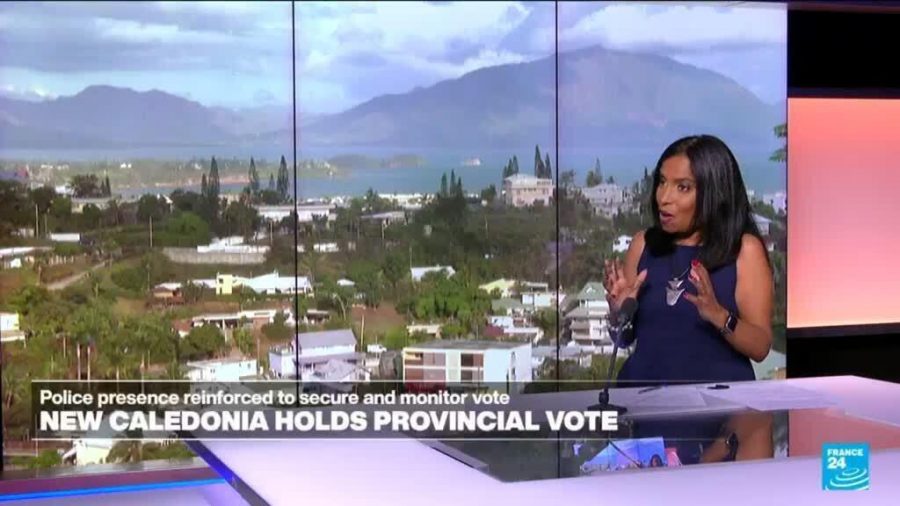
New Caledonia Votes: High Stakes in France’s Pacific Territory
On Sunday, New Caledonia, a French territory in the South Pacific, held local elections that could shape its political landscape and influence its relationship with France. The elections come at a time when discussions about decolonization and demographic shifts have intensified, raising questions about the future of this unique territory.
The Importance of Local Elections
These local elections are not merely administrative; they represent a crucial moment in New Caledonia’s ongoing journey toward self-determination. Following decades of political tension and a complex history of colonialism, the outcomes of these elections could either reinforce the territory’s ties to France or accelerate its quest for greater autonomy.
A Complex Political Landscape
The political dynamics in New Caledonia are intricate, influenced by a diverse population that includes indigenous Kanak people, descendants of European settlers, and a mix of other communities. This demographic diversity complicates the political scene, as different groups have varying aspirations regarding governance and independence.
- Indigenous Kanak Aspirations: The Kanak population, which has historically sought greater autonomy and recognition of their rights, continues to push for a political framework that reflects their identity and aspirations.
- European Settler Influence: European descendants often favor maintaining close ties with France, emphasizing stability and economic support that comes with being part of the French Republic.
- Changing Demographics: The demographic shifts, including an increase in the population of non-Kanak groups, have the potential to influence electoral outcomes and political priorities.
Decolonization at the Forefront
The issue of decolonization remains a contentious topic in New Caledonia, particularly in light of the 2018 independence referendum, where a slim majority voted against independence. Despite this, the desire for more autonomy has not diminished, and local elections are viewed as a significant step toward re-evaluating the territory’s political status.
As the territory heads into these elections, various political parties are aligning themselves with either pro-independence or pro-French stances, seeking to capture the hearts and minds of voters. The outcome will be critical not just for local governance but also for the broader question of what it means to be a part of France in the Pacific.
The Role of France
France’s role in New Caledonia is multifaceted, involving economic support, cultural ties, and political oversight. The French government has expressed its commitment to supporting the territory through various initiatives, but the desire for self-determination among the Kanak people poses a challenge for Paris.
In the aftermath of the elections, the French government will need to reassess its strategy regarding New Caledonia, especially if the electoral outcomes indicate a strong push for autonomy. The international community is also watching closely, as New Caledonia’s future could serve as a precedent for other territories seeking independence or greater autonomy within their respective nations.
Conclusion
The local elections in New Caledonia represent a pivotal moment for the territory, one that could redefine its relationship with France and shape its political future. As the ballots are cast and counted, the world will be watching to see how this unique Pacific territory navigates its complex identity and aspirations for self-determination.