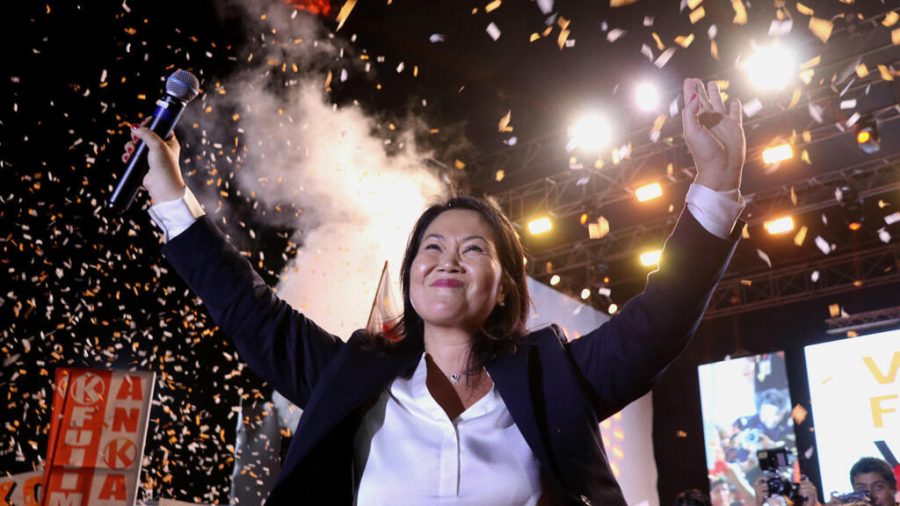
Keiko Fujimori’s Vision for Peru After Narrow Presidential Victory
In a closely contested election, Keiko Fujimori has emerged as Peru’s president-elect, vowing to restore “order and hope” in a nation grappling with rising crime rates and political division. Her victory in the presidential run-off against left-wing candidate Roberto Sanchez on June 7 has set the stage for significant changes in the country’s political landscape.
The Election Results
Fujimori, a conservative leader, received a narrow margin of victory, securing her place in history as a pivotal figure in Peru’s ongoing struggle with governance issues. The election results were met with immediate reactions from both supporters and opponents, as the country braces for the implications of her presidency.
A Nation in Crisis
Peru has been facing escalating crime rates, a situation exacerbated by economic challenges and social unrest. The public’s demand for effective leadership has never been more urgent, and Fujimori’s campaign has resonated with many who seek stability and safety. In her acceptance speech, she emphasized that her administration would prioritize the security of all citizens.
Fujimori’s Promises
In her first statements as president-elect, Fujimori took to social media platform X, expressing her commitment to leading Peru towards a brighter future. “We are moving closer to the path of order and hope for all citizens,” she stated, highlighting her administration’s focus on restoring public trust and confidence in the government.
Challenges Ahead
Despite the optimism surrounding her election, Fujimori faces significant challenges. The political landscape in Peru is highly polarized, with deep divisions between supporters of her conservative agenda and those who favor progressive reform. As she prepares to take office, navigating these divisions will be crucial for her administration’s success.
Public Reaction
The reaction to Fujimori’s election has been mixed. Supporters celebrated her victory as a mandate for change, while critics have raised concerns about her political ties and the implications of her policies. The atmosphere remains tense, as many Peruvians are eager to see concrete actions that align with her promises.
Looking Forward
As Fujimori gears up for her presidency, the focus will be on her ability to implement effective policies that address the immediate concerns of crime and economic instability. She has pledged to work closely with law enforcement and community leaders to develop strategies that will enhance public safety and promote a sense of security among citizens.
Furthermore, Fujimori’s administration will need to tackle the underlying issues that contribute to social unrest. This includes addressing poverty, unemployment, and the lack of access to education and healthcare that many Peruvians face.
Conclusion
Keiko Fujimori’s election as president marks a pivotal moment in Peru’s history. With her promises of “order and hope,” the nation watches closely, hopeful that her leadership will bring the stability and safety that so many citizens crave. As she prepares to take office, the path ahead will require skillful navigation of not only political challenges but also the expectations of a populace eager for change.