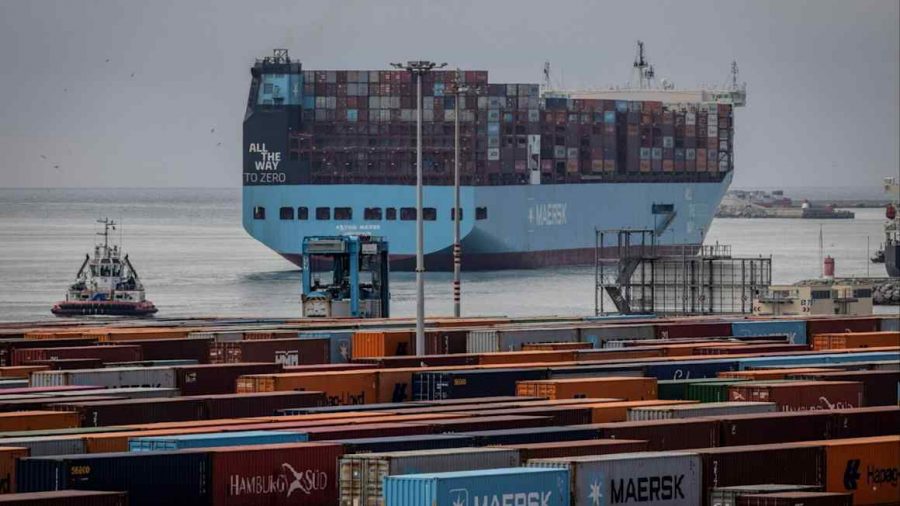
Maersk Boosts Profit Outlook Amid Surge in U.S. Tariff-Driven Demand
In a significant shift in the global shipping landscape, Maersk, the world’s largest container shipping company, has raised its profit guidance following a notable uptick in demand from American businesses. This surge has been largely attributed to companies stockpiling goods in anticipation of new tariffs that could soon be imposed on imports.
Understanding the Tariff Impact
The prospect of fresh tariffs has sent shockwaves through the U.S. market, prompting businesses to act swiftly. As companies prepare for potential price increases on imported goods, they are ramping up their inventory levels to mitigate the impending financial impact. This proactive approach is driving a surge in shipping demand, benefiting major players like Maersk.
Maersk’s Strategic Response
In response to this heightened demand, Maersk has adjusted its profit forecasts, indicating a positive outlook for the coming quarters. The company revealed that it expects its earnings before interest, taxes, depreciation, and amortization (EBITDA) to surpass previous estimates, reflecting the increased shipping volumes.
Why Tariffs Are Driving Demand
The looming tariffs, which could be implemented imminently, cover a wide range of imports, including electronics, textiles, and industrial components. As businesses scramble to stockpile these essential goods, there is a notable increase in shipping activity. Analysts suggest that this situation creates a unique opportunity for shipping companies to capitalize on the urgency of businesses looking to secure materials before price hikes take effect.
The Broader Economic Implications
The implications of this demand surge extend beyond just Maersk’s bottom line. The shipping industry plays a crucial role in the global supply chain, and its performance can be indicative of broader economic trends. As American companies stockpile goods, it suggests a level of uncertainty in the market that could influence economic forecasts and consumer behavior.
Future Outlook for Shipping Industry
Looking ahead, the shipping industry is bracing itself for a potentially volatile period. If the tariffs are enacted, companies may continue to increase their shipping orders in the short term. However, the long-term effects of such tariffs remain uncertain, as businesses will need to adapt to new pricing structures and potential shifts in sourcing strategies.
- Increased Shipping Demand: Companies stockpiling goods are driving shipping volumes up.
- Profit Guidance Raised: Maersk has adjusted its earnings forecasts positively.
- Market Uncertainty: Tariffs create a sense of urgency among businesses.
- Broader Economic Impact: Shipping performance reflects wider economic trends.
Conclusion
The unexpected rise in demand for shipping services due to impending tariffs underscores the dynamic nature of international trade. As Maersk navigates this evolving landscape, its ability to adapt and respond to market needs will be crucial in maintaining its leadership position in the shipping industry. Stakeholders will be closely watching how these developments unfold in the coming weeks.