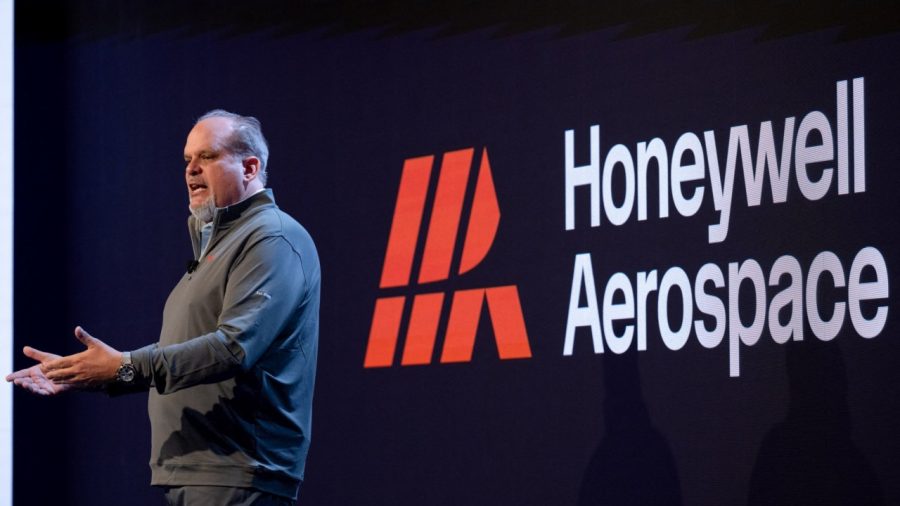
AI in Aviation: Insights from Honeywell Aerospace’s CEO
In the fast-evolving world of aerospace and defense, artificial intelligence (AI) is making significant strides. However, according to Jim Currier, the newly appointed CEO of Honeywell Aerospace, while AI can effectively assist in creating blueprints, it is not yet equipped to take on the complexities of cockpit operations.
Navigating a Booming Industry
As the aerospace and defense sectors continue to expand, Currier finds himself at the helm of a company that is pioneering innovations in these demanding industries. Having transitioned to an independent company, he faces the challenge of balancing technological advancements with safety and reliability.
The Promise of AI
Currier acknowledges the potential of AI in various aspects of aerospace design and engineering. “AI can analyze vast amounts of data to optimize designs and improve efficiency, especially in the early stages of product development,” he stated in a recent interview. “This technology streamlines the blueprint creation process, allowing engineers to focus on more complex design challenges.”
Limitations in the Cockpit
Despite AI’s successes in supporting design tasks, Currier emphasizes that it cannot yet substitute for human pilots in the cockpit. “The cockpit environment is incredibly dynamic, requiring real-time decision-making based on an array of unpredictable factors. AI lacks the intuitive understanding and situational awareness that human pilots possess,” he explained.
Safety First
Safety remains paramount in aviation, and Currier is committed to ensuring that any integration of AI into cockpit systems is approached with caution. “We must prioritize human oversight and ensure that any AI applications are rigorously tested before being deployed in critical flight operations,” he asserted. This cautious approach aligns with the company’s longstanding dedication to maintaining high safety standards.
Looking Ahead
As Honeywell Aerospace continues to innovate, Currier is optimistic about the future of AI in the industry. He believes that as technology evolves, there will come a time when AI can play a more significant role in cockpit operations. “We are investing in research and development to explore how AI can assist pilots without compromising safety,” he said.
Industry Challenges
The aerospace and defense industries are not without their challenges. Currier pointed out that global supply chain disruptions, workforce shortages, and increasing competition are significant hurdles that need to be addressed. “We must be agile and proactive in navigating these challenges to maintain our leadership position,” he noted.
Conclusion
As Jim Currier leads Honeywell Aerospace into a new era, his insights into the role of AI highlight both the opportunities and challenges that lie ahead. While AI has proven its value in the design phase, the cockpit remains a domain where human expertise reigns supreme. Currier’s commitment to safety and innovation positions Honeywell to thrive in the competitive landscape of aerospace and defense, paving the way for a future where humans and machines work seamlessly together.