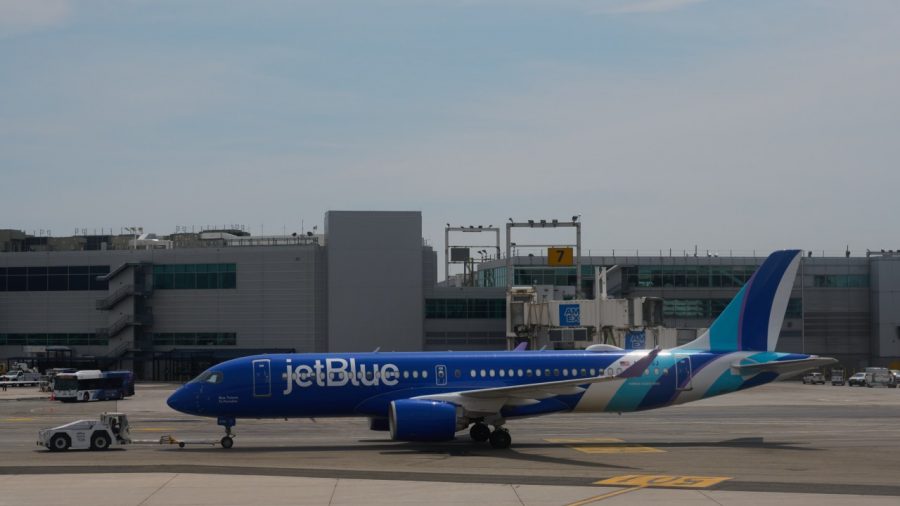
JetBlue Pilot Reports Drone Encounter at JFK Airport
In a concerning incident that has raised alarms among aviation authorities, a JetBlue pilot reported a close encounter with a drone while landing at New York’s John F. Kennedy International Airport (JFK). Fortunately, the passenger aircraft landed safely without sustaining any damage, according to the Federal Aviation Administration (FAA).
Details of the Incident
The incident occurred during a routine landing procedure, which has sparked a renewed discussion about the safety risks posed by drones in proximity to commercial airports. The FAA has been closely monitoring drone activity, particularly in urban areas where air traffic is dense.
The Response from Authorities
Upon receiving the report from the JetBlue pilot, the FAA initiated an investigation to determine the drone’s origin and whether any regulations were violated. The agency has strict guidelines in place regarding drone operations, especially near airports.
- Drone operators are required to maintain a safe distance from airports.
- Flying drones above 400 feet is prohibited in most areas.
- Recreational drone users must adhere to specific rules to ensure safety.
The Broader Implications for Aviation Safety
This incident is not an isolated case. In recent years, there has been a notable increase in drone sightings near airports, leading to heightened concerns about potential collisions. Experts warn that even small drones can pose significant risks to larger aircraft, particularly during critical phases of flight such as takeoff and landing.
In response to these growing concerns, the FAA has been advocating for stricter regulations and increased public awareness regarding drone usage. The agency has launched various educational campaigns aimed at informing drone operators about the legal and safety implications of flying near airports.
What Drone Operators Need to Know
For drone enthusiasts and commercial operators alike, understanding the rules of engagement is crucial. Here are some important points to remember:
- Know the Airspace: Always check the airspace classification before flying your drone.
- Stay Clear of Airports: Maintain a minimum distance of five miles from any airport unless you have permission.
- Register Your Drone: If your drone weighs more than 0.55 pounds, it must be registered with the FAA.
The Future of Drones in Urban Airspaces
As drone technology continues to advance, the need for effective regulation becomes increasingly important. The FAA is currently working on integrating drones into the national airspace system safely. This includes developing systems for air traffic management that can accommodate both manned and unmanned aircraft.
While drones have the potential to revolutionize various industries, including delivery services and aerial photography, their safe integration into urban environments remains a challenge. Incidents like the one involving the JetBlue pilot serve as a stark reminder of the responsibilities that come with drone operation.
Conclusion
The JetBlue incident at JFK Airport underscores the urgent need for continued dialogue between drone operators, regulatory authorities, and the aviation industry. With safety at the forefront, all stakeholders must work together to ensure a future where both manned and unmanned aircraft can coexist without compromising safety.