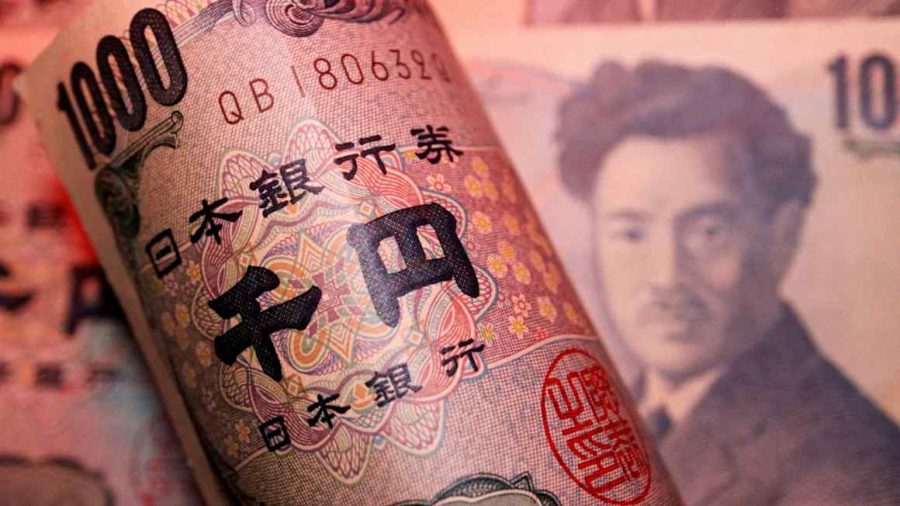
The Japanese yen has experienced a dramatic decline, falling to a 40-year low against the US dollar. As the yen slides past ¥162, analysts point to the Federal Reserve’s recent hawkish shift as a significant factor contributing to this downturn.
Understanding the Yen’s Decline
For decades, the yen has been considered a safe-haven currency, often gaining strength during times of global uncertainty. However, recent economic policies and interest rate adjustments by the Federal Reserve have put unprecedented pressure on the Japanese currency. The yen’s depreciation is not just a local concern; it has far-reaching implications for global markets and economies.
The Federal Reserve’s Influence
In recent months, the US Federal Reserve has signaled a shift towards a more aggressive monetary policy, with interest rate hikes aimed at combating inflation. This hawkish stance has led to a strengthening of the US dollar, making it more expensive for foreign investors to acquire yen-denominated assets.
- As US interest rates rise, investors are drawn to the higher yields available in the US market.
- Conversely, Japan has maintained its ultra-low interest rates to stimulate its economy, leading to a widening interest rate differential.
- This disparity between US and Japanese rates has resulted in a rush of capital outflow from Japan, further exacerbating the yen’s decline.
Impact on the Japanese Economy
The weakening yen presents a mixed bag of consequences for Japan’s economy. On one hand, a weaker yen can boost the competitiveness of Japanese exports, making goods cheaper for foreign buyers. However, it also raises the cost of imports, particularly for energy and raw materials, which Japan heavily relies on.
Consumer Prices Under Pressure
As the yen continues to weaken, Japanese consumers are likely to feel the pinch. Rising import costs have already begun to influence consumer prices, leading to increased inflationary pressures within the country. This inflation could further complicate the Bank of Japan’s monetary policy decisions as they navigate between supporting economic growth and controlling rising prices.
International Reactions
The yen’s decline has not gone unnoticed internationally. Traders and financial analysts around the world are closely monitoring the situation, as fluctuations in major currencies can significantly affect global trade dynamics.
Market Reactions
In response to the yen’s depreciation, some investors are adopting a cautious approach, fearing that continued weakness could lead to heightened volatility in the foreign exchange markets. Additionally, central banks in other countries may need to consider their own monetary policies in light of the shifting landscape.
Looking Ahead
As we move forward, the trajectory of the yen will depend heavily on both domestic economic conditions in Japan and the ongoing monetary policy decisions of the Federal Reserve. Investors and analysts alike will be watching for signals that could indicate a reversal of the yen’s current trend.
Conclusion
The Japanese yen’s slide to a 40-year low is a stark reminder of the interconnectedness of global economies. While the immediate effects are felt within Japan, the implications of this decline resonate far beyond its borders, impacting trade, investment, and economic stability around the world.