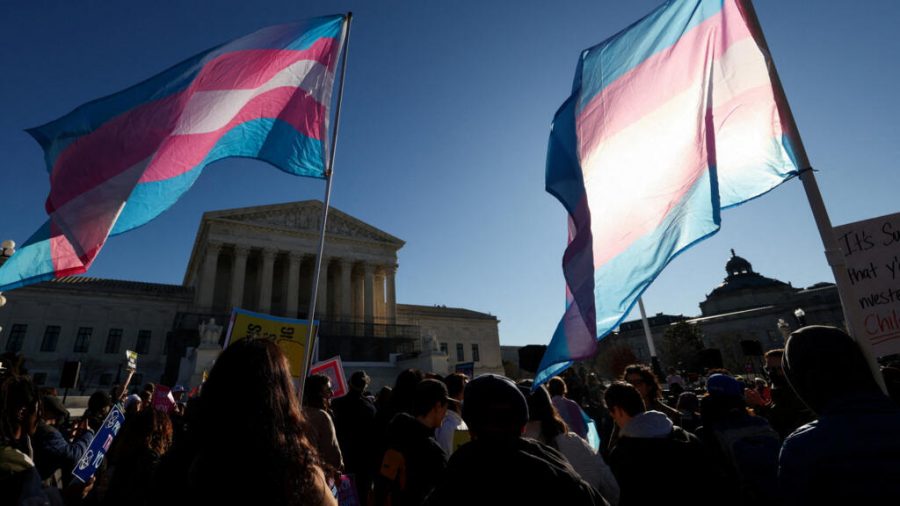
Supreme Court Ruling: A Turning Point in the Debate Over Transgender Athletes
On Tuesday, the United States Supreme Court delivered a landmark decision that upheld state laws prohibiting transgender athletes from competing in girls’ and women’s school sports. This ruling marks a pivotal moment in the ongoing cultural clash surrounding transgender rights in athletics, igniting intense debate among advocates, lawmakers, and the general public.
The Rationale Behind the Decision
The Supreme Court’s decision came as a blow to advocates for transgender rights, who argue that such bans are discriminatory and undermine the principles of inclusion and equality in sports. The Justices ruled in a 6-3 vote, indicating that states have the authority to regulate participation in school sports based on biological sex. Supporters of the ruling maintain that it is essential to ensure fair competition for female athletes, who may face challenges from transgender competitors.
The Impact on Athletes
For many young athletes, sports serve as a vital outlet for expression, teamwork, and personal development. However, this ruling has left numerous transgender athletes in a state of uncertainty. While some may be able to continue competing in boys’ sports, others may find themselves excluded from participating altogether.
- Case Studies:
- Transgender swimmer Lia Thomas, who gained national attention after competing on the University of Pennsylvania’s women’s team, could have faced significant ramifications had this ruling been applied at the collegiate level.
- High school athletes like Chelsea Wolfe, a transgender BMX rider, have expressed their concerns about being barred from competing in their chosen categories.
Reactions from Across the Spectrum
Reactions to the ruling have been polarized. Conservative lawmakers have hailed the decision as a victory for women’s sports, arguing that it protects the integrity of female competition. “This ruling reaffirms that fairness in women’s sports is paramount,” said one prominent Republican senator.
Conversely, advocates for transgender rights have condemned the ruling as a setback. Organizations such as the Human Rights Campaign have voiced their disappointment, stating, “This decision is a blow to the many young people who simply want to play sports and be themselves.” They argue that the ruling perpetuates discrimination and ignores the lived experiences of transgender individuals.
Looking Ahead: Future Legal Challenges
The Supreme Court’s decision is expected to set a precedent that could influence future legislation and court cases regarding transgender rights and sports. Legal experts suggest that this ruling may prompt an influx of state-level laws aimed at further restricting transgender participation in athletics.
As debates continue to unfold, advocates on both sides of the issue are bracing for a protracted struggle. As more states consider introducing laws similar to those upheld by the Court, the conversation surrounding the rights of transgender athletes is likely to intensify.
Conclusion: A Divided Nation
The Supreme Court’s ruling serves as a reminder of the deep divisions that exist within American society regarding gender identity and athletics. As the nation grapples with these complex issues, the future of transgender athletes in school sports remains uncertain.
As discussions evolve, it is clear that the fight for equality—whether for women in sports or for the rights of transgender individuals—will continue to shape the landscape of American culture for years to come.