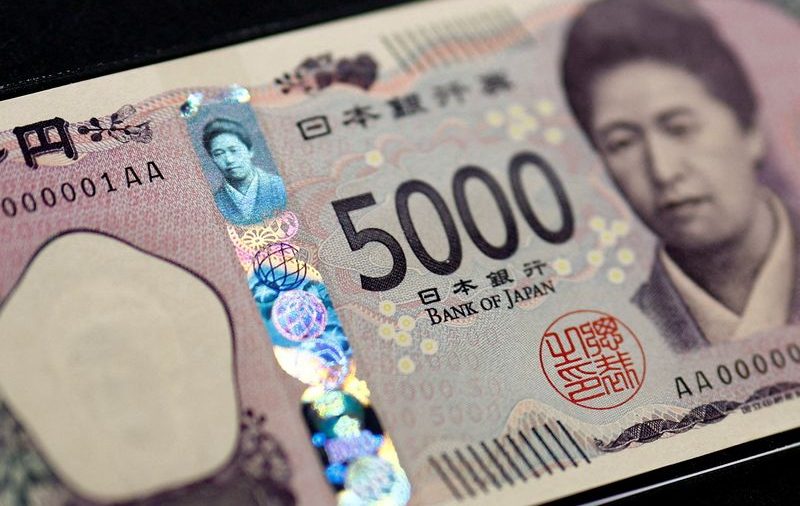
US Dollar Surges as Japanese Yen Plummets to 40-Year Low
The foreign exchange market is witnessing significant turbulence as the US dollar continues its upward trajectory, while the Japanese yen has fallen to its lowest value in 40 years. This dramatic shift highlights the ongoing economic challenges facing Japan, as well as the strengthening position of the US economy.
The Strength of the Dollar
The US dollar has been gaining strength due to a combination of factors, including robust economic data, rising interest rates, and a shift in investor sentiment. Analysts point to the recent employment figures and consumer spending reports as indicators of a resilient US economy. As the Federal Reserve maintains a hawkish stance, increasing interest rates to combat inflation, the dollar’s appeal as a safe-haven currency has intensified.
Factors Behind the Yen’s Decline
In contrast, the Japanese yen’s decline can be attributed to several economic pressures. The Bank of Japan’s (BoJ) persistent monetary easing policies, aimed at stimulating economic growth, have resulted in a weakened yen. While other central banks are tightening their monetary policies, the BoJ has remained committed to its ultra-loose stance, leaving the yen vulnerable to depreciation.
The Impact on Global Markets
The yen’s fall has broader implications for global markets. Investors are closely monitoring the exchange rate, as a weaker yen could lead to increased volatility in the currency markets and impact trade balances. For Japanese exporters, a weaker yen can be a double-edged sword; while it may boost export competitiveness, it also raises the cost of imported goods, including essential commodities like oil.
- Economic Indicators: Recent GDP reports show that Japan’s economy is struggling to recover from the pandemic, while the US economy continues to show signs of resilience.
- Investor Sentiment: The market’s perception of economic stability in the US is driving demand for the dollar, while uncertainty surrounding Japan’s economic policies is leading to a lack of confidence in the yen.
- Trade Dynamics: The shift in currency values could alter trade dynamics, affecting both countries’ economic strategies moving forward.
Future Outlook
Looking ahead, market analysts suggest that the relationship between the dollar and the yen will remain a focal point for investors. Any changes in the Federal Reserve’s interest rate strategy or shifts in the BoJ’s monetary policy could lead to significant fluctuations in exchange rates. As the global economy continues to navigate the challenges posed by inflation and geopolitical tensions, the dynamics between these two currencies will be critical to watch.
Conclusion
The recent surge of the US dollar and the decline of the Japanese yen underscore the complexities of the current global economic landscape. As these currencies continue to react to economic indicators and policy decisions, investors and policymakers alike must remain vigilant. The strength of the dollar may offer certain advantages, but the ongoing challenges faced by the yen signal a need for strategic adjustments in Japan’s economic framework.