Rising Pessimism in Russia: Experts Say Putin Unconcerned with Quality of Life
Recent data indicates a stark decline in the optimism of the Russian populace regarding their economic situation, with pessimism reaching levels not seen in two decades. According to a Gallup survey released on Tuesday, an overwhelming majority of Russians believe their living standards are deteriorating. This concerning trend has prompted experts to weigh in on the implications for President Vladimir Putin’s administration.
Survey Findings Highlight Economic Despair
The Gallup survey reveals that Russians are more pessimistic about their economy than at any point in the last 20 years. Many respondents expressed concerns about rising prices, stagnant wages, and a lack of economic opportunities. This growing dissatisfaction could be attributed to various factors, including the impact of international sanctions, the ongoing war in Ukraine, and dwindling trust in government institutions.
Expert Insights: Putin’s Detachment
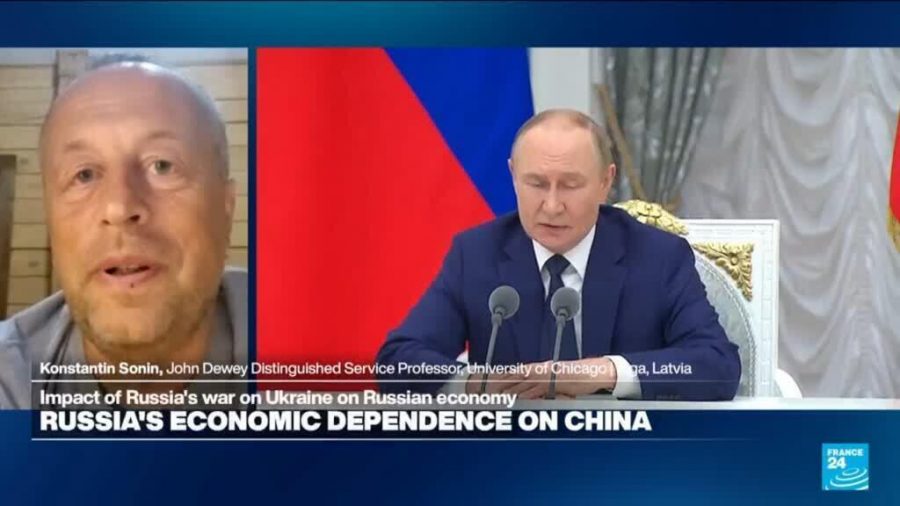
In an analysis of the survey results, Konstantin Sonin, a prominent economist and professor at the University of Chicago, offered a stark perspective on the situation. He stated, “Putin doesn’t care much about the quality of living of Russians.” Sonin’s comments suggest that the Russian leader may be more focused on maintaining political power and pursuing his geopolitical ambitions than addressing the economic woes of his citizens.
Public Sentiment and Political Implications
The ramifications of this widespread pessimism could become significant in the coming months. As people feel increasingly disillusioned with their government, the potential for civil unrest and dissatisfaction with the ruling regime may rise. Experts warn that if economic conditions do not improve, public trust in Putin and his administration could erode even further.
The Role of Information in Shaping Perceptions
One of the challenges facing the Russian government is the control of information. While state media often portrays an image of stability and growth, the lived experiences of many citizens tell a different story. The disconnect between government narratives and public sentiment could serve as a catalyst for change, especially among younger generations who are more attuned to global events and economic realities.
Looking Ahead: The Future of Russian Society
As pessimism permeates Russian society, the question remains: what will it take for the government to respond to the needs of its people? With economic challenges mounting, many are left wondering whether Putin will adapt his policies to address the growing discontent or continue down a path of isolation and indifference.
Conclusion: A Nation at a Crossroads
The current economic landscape in Russia presents a complex picture. While the survey results reveal a populace grappling with uncertainty, the leadership’s apparent lack of concern for their quality of life raises serious questions about the future trajectory of the nation. As Russians navigate these challenging times, the potential for change looms, but so does the possibility of continued apathy from those in power.