Understanding the Current Anti-Migrant Wave in South Africa
As tensions rise in South Africa over the treatment of migrants, the world is witnessing a crucial moment in the discourse surrounding human rights. Volker Türk, the United Nations High Commissioner for Human Rights, has stepped forward to address the pressing issues related to migration and the interconnected crises that underpin them.
A Broader Context of Human Rights
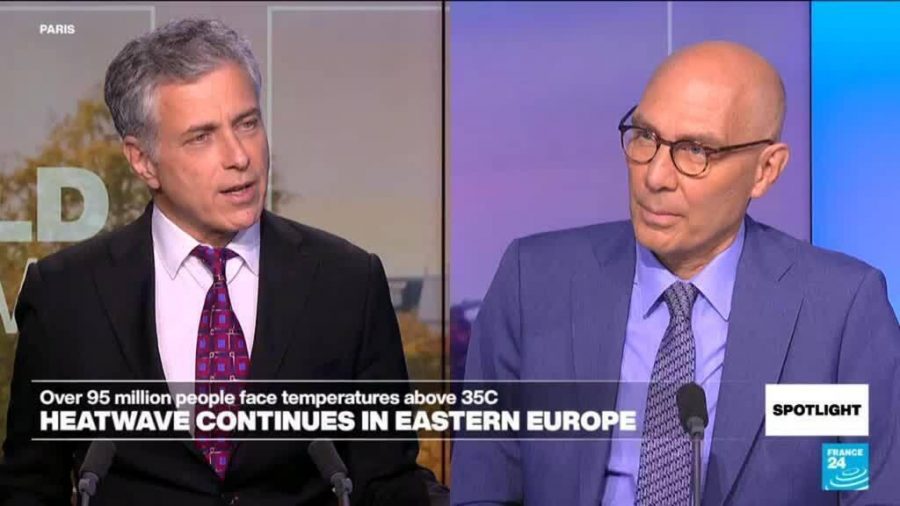
In a recent interview with François Picard, Türk emphasized the necessity of viewing human rights not as isolated principles, but as a comprehensive framework for navigating the defining challenges of the 21st century. He argues that migration, climate change, nationality, and institutional governance are interlinked issues that highlight a deeper crisis of solidarity and responsibility among nations.
The Human Element of Migration
During the interview, Türk urged individuals and governments alike to avoid the dehumanization of migrants, advocating for a perspective that recognizes the humanity of every individual. “We must see in the other a human being,” he stated, underscoring the importance of empathy in the face of rising anti-migrant sentiment.
The Interconnected Crises
Türk pointed out that the challenges posed by migration are not merely the result of individuals seeking better opportunities; they are symptomatic of broader global issues. These include political instability, economic disparities, and the consequences of climate change, all of which compel people to leave their homes in search of safety and a better life.
South Africa’s Specific Challenges
In South Africa, the current anti-migrant wave has sparked significant concern. The country has seen an influx of migrants from various African nations, leading to tensions over resources, jobs, and social services. This has, in turn, fueled xenophobic sentiments and violence against foreign nationals.
- Economic Factors: Many South Africans feel that migrants are competing for limited jobs, exacerbating unemployment issues.
- Resource Strain: There are fears that an increasing population of migrants could strain public resources such as healthcare and education.
- Xenophobia: A history of xenophobic violence in South Africa complicates the situation, leading to unsafe environments for migrants.
Rebuilding Solidarity
Türk’s message is clear: the path forward requires a rebuilding of solidarity among nations and communities. He stresses that the international community must work together to create policies that not only address the concerns of local populations but also uphold the rights and dignity of migrants.
Conclusion: A Call for Humanity
As the world grapples with numerous crises, the need for a unified approach to human rights has never been more critical. Volker Türk’s reflections serve as a powerful reminder that in the midst of challenges, compassion and understanding must prevail. By fostering a culture that sees every individual as a human being deserving of dignity and respect, society can begin to heal the divisions that threaten our collective future.