USDA Takes Action to Support Smaller Meatpackers
The U.S. Department of Agriculture (USDA) is stepping in to assist smaller meat processing companies as they grapple with a significant shortage of livestock. With plans to allocate up to $500 million in payments, the USDA aims to ensure that these crucial players in the meatpacking industry can continue their operations amidst challenging market conditions.
Understanding the Livestock Shortage
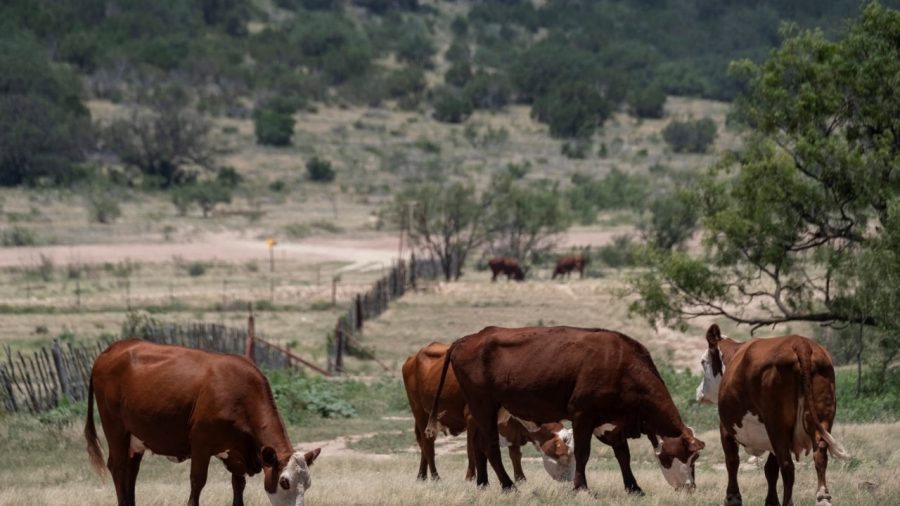
The meatpacking industry has faced unprecedented challenges in recent years, primarily due to a combination of factors including drought conditions affecting cattle feed, supply chain disruptions, and rising operational costs. These challenges have led to a noticeable decline in the availability of cattle for slaughter, impacting not only large meatpackers but also smaller, independent processors who play a vital role in local economies.
The USDA’s Financial Initiative
In response to this crisis, the USDA’s initiative aims to provide financial relief to smaller meatpacking operations. The funds are intended to help these businesses maintain their operations and workforce, thereby preventing further disruptions in meat supply. The USDA’s approach is part of a broader strategy to stabilize the meat supply chain, which has been under severe strain.
Eligibility and Impact of the Payments
To qualify for the financial assistance, meat processors must meet specific criteria set forth by the USDA. This includes demonstrating their operational capacity and the impact of the livestock shortage on their business. By supporting smaller processors, the USDA hopes to encourage competition in the market, ultimately benefiting consumers with more options at various price points.
- Operational Support: Payments will help smaller processors cover the costs of maintaining their workforce and facilities.
- Market Stability: By bolstering smaller players, the USDA aims to create a more balanced market, reducing the dominance of larger corporations.
- Local Economy Boost: Supporting these businesses helps sustain local jobs and contributes to the economic health of rural communities.
Broader Implications for the Meat Industry
The USDA’s intervention could have significant implications for the future of the meat industry. By ensuring that smaller processors can continue to operate, the USDA aims to promote a more resilient food supply chain. This initiative is particularly timely, given ongoing concerns about food security and the need for a stable supply of affordable meat for consumers.
Looking Ahead
As the USDA rolls out this financial assistance program, stakeholders in the meatpacking industry will be closely monitoring the impact of these payments. The initiative not only represents a lifeline for smaller meat processors but also a proactive step towards ensuring a more equitable and sustainable meat supply chain. With the right support, these businesses could emerge stronger from the current challenges, paving the way for a more diverse and competitive market.