DR Congo’s Accusations Against Rwanda: A Growing Rift
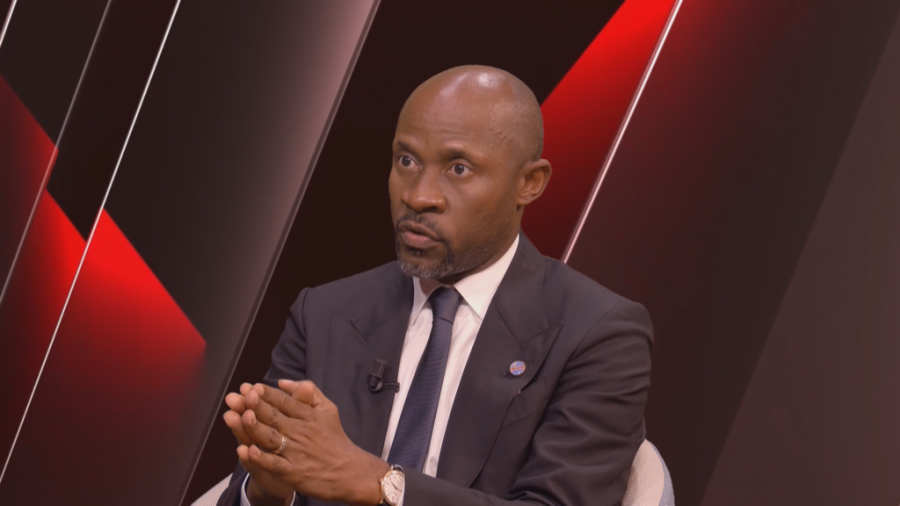
In a recent interview with FRANCE 24, Patrick Muyaya, the spokesperson for the Democratic Republic of Congo (DR Congo) and Minister of Communication, raised serious concerns about Rwanda’s commitment to a peace agreement brokered by the United States. The 2025 peace deal, intended to foster stability in the region, has been met with skepticism by Congolese officials who feel that Rwanda lacks the necessary political will to implement its provisions.
Political Will in Question
Muyaya’s comments come amid escalating tensions between the two neighboring countries, which have a long history of conflict. He emphasized that without genuine political commitment from Kigali, the peace deal is at risk of becoming meaningless. “Rwanda does not have the political will to implement this agreement. We need to see real actions, not just words,” he stated during the interview.
The Role of the International Community
In his call for action, Muyaya urged the international community, particularly the United States, to exert stronger pressure on Rwanda to comply with the peace agreement. “The United States should use more tools on Rwanda. It’s not enough yet,” he asserted, highlighting the critical role that international diplomacy plays in the region’s stability.
Historical Context
The relationship between DR Congo and Rwanda has been fraught with conflict for decades, rooted in the aftermath of the Rwandan Genocide in 1994. The Rwandan Patriotic Front (RPF) came to power in Rwanda, leading to a massive influx of Rwandan Hutus into DR Congo, which subsequently sparked a series of conflicts. The ongoing instability has led to humanitarian crises, with millions of lives affected.
The Implications of Peace Deal Non-Compliance
If Rwanda continues to disregard the terms of the peace agreement, the consequences could be dire not only for the two nations but for the entire region. Analysts warn that failure to honor the peace deal could result in renewed violence, displacement of populations, and a potential refugee crisis that could spill across borders.
Calls for Dialogue and Cooperation
While the accusations from DR Congo highlight the urgent need for accountability, there are also calls from various sectors for both nations to engage in dialogue. Diplomatic relations could be strengthened through collaborative efforts, addressing mutual concerns such as security, economic cooperation, and humanitarian assistance.
The Path Forward
As tensions rise and accusations fly, the future of the peace deal hangs in the balance. The international community must play a proactive role in facilitating discussions and ensuring that both nations adhere to their commitments. The situation remains fluid, and the eyes of the world are watching closely to see how Rwanda responds to the mounting pressure from DR Congo and the global community.
Conclusion
The accusations made by Minister Patrick Muyaya serve as a stark reminder of the fragile state of peace in the Great Lakes region of Africa. As both nations navigate this complex landscape, the need for genuine political will and international support has never been more critical. Only time will tell if the peace deal will be honored or if the cycle of conflict will continue.