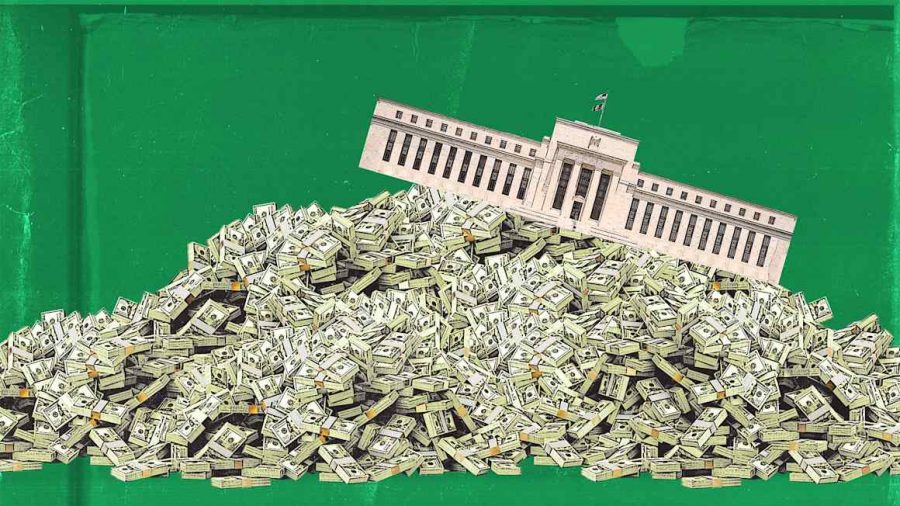
Can Kevin Warsh Tame the Fed’s $7 Trillion Balance Sheet?
The Federal Reserve, grappling with a staggering $7 trillion balance sheet, faces a pivotal moment in its monetary policy. As the financial landscape evolves, the appointment of Kevin Warsh could signal a shift towards a more pragmatic approach, prioritizing economic stability over ideological rigidity.
The Current State of the Fed’s Balance Sheet
Since the 2008 financial crisis, the Federal Reserve has employed unprecedented measures to stabilize the economy, including quantitative easing that ballooned its balance sheet to nearly $7 trillion. This figure represents a significant increase from pre-crisis levels, raising concerns about inflation, asset bubbles, and the long-term implications for monetary policy.
Kevin Warsh’s Background and Philosophy
Kevin Warsh, a former governor of the Federal Reserve Board, is no stranger to the complexities of monetary policy. His experience during a tumultuous economic period positions him as a candidate who understands the delicate balance between fostering growth and maintaining price stability. Warsh advocates for a pragmatic approach, suggesting that the Fed should prioritize empirical evidence over strict ideological frameworks.
The Need for Pragmatism
In an era marked by economic uncertainties, the Fed’s approach must adapt to changing conditions. Warsh’s pragmatism could guide the central bank in reevaluating its strategies, focusing on data-driven decisions rather than adhering to rigid economic doctrines. This shift could be crucial in addressing the challenges posed by the current balance sheet size.
- Inflation Risks: The massive balance sheet could lead to higher inflation rates if not managed carefully.
- Market Reactions: Any changes in monetary policy could trigger volatility in financial markets.
- Economic Growth: A balanced approach might encourage sustainable growth without overheating the economy.
Challenges Ahead
While Warsh’s pragmatic approach is promising, it is not without challenges. The Fed must navigate a politically charged environment where decisions are scrutinized and often criticized. Additionally, the central bank must consider the global implications of its policies, as interconnected markets can amplify the effects of domestic decisions.
The Path Forward
As the Federal Reserve contemplates its next steps, the guidance of leaders like Kevin Warsh could be instrumental in shaping a balanced and effective monetary policy. By focusing on pragmatism and real-world outcomes, the Fed may effectively manage its $7 trillion balance sheet while promoting economic growth and stability.
Conclusion
The future of the Federal Reserve’s monetary policy hinges on the ability to adapt and respond to changing economic conditions. With Kevin Warsh potentially at the helm, the central bank may take a decisive step towards a more pragmatic approach that prioritizes economic resilience over rigid ideologies.