The Quest for a Naturally Blue M&M
In a world increasingly concerned with health and sustainability, the iconic M&M candy has embarked on a remarkable journey to create its first naturally blue variant. This ambitious endeavor showcases the complexities of food science, consumer expectations, and corporate responsibility.
The Challenge of Color
Historically, the vibrant blue hue of M&Ms has been achieved through synthetic dyes, a practice that has come under scrutiny in recent years. With consumers becoming more health-conscious and demanding natural ingredients, Mars, Inc., the parent company of M&Ms, faced a significant challenge: how to produce a naturally blue candy that met both their high-quality standards and consumer expectations.
Research and Development
The journey began in the research labs of Mars, where food scientists experimented with various natural sources to extract a blue dye. Blue pigments are rare in nature, making this a daunting task. They explored options ranging from spirulina, a blue-green algae, to various fruits and vegetables. Each potential source came with its own set of challenges, including taste, stability, and color vibrancy.
- Spirulina: This algae is known for its health benefits but presented challenges in achieving the desired shade of blue.
- Red Cabbage: While it offered a blue hue, it was unstable and could change colors during processing.
- Flower Petals: Certain flowers provided promising colors but were difficult to source in large quantities.
Consumer Testing
After extensive experimentation, Mars finally settled on a natural blue dye derived from spirulina. The decision was met with excitement, but the process was far from over. The company conducted consumer taste tests to ensure that the new formulation did not alter the beloved M&M flavor. The feedback was overwhelmingly positive, paving the way for the new product.
Production Challenges
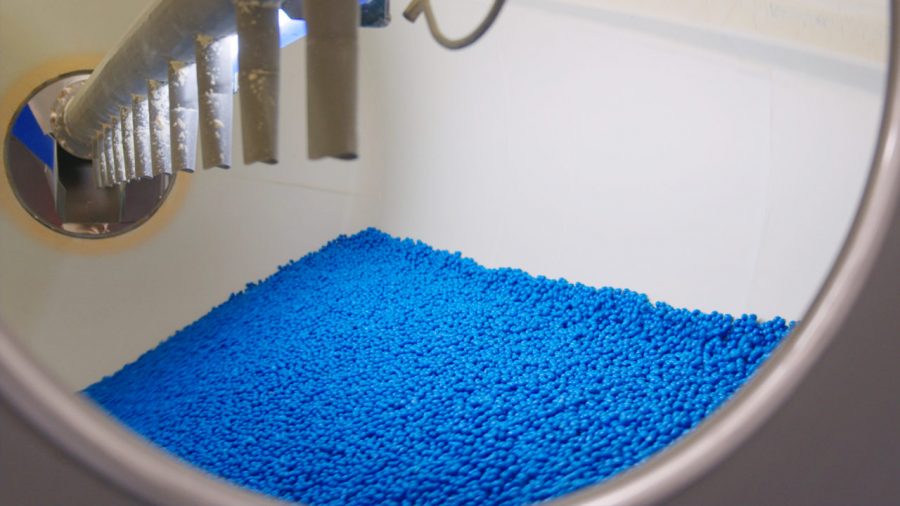
Scaling up production for the naturally blue M&M proved to be another hurdle. The manufacturing process had to be adjusted to accommodate the new ingredients without compromising quality or efficiency. Mars implemented rigorous quality control measures to ensure that every batch met their high standards.
Environmental Impact
In addition to meeting consumer demands, Mars also considered the environmental impact of their new product. The company aimed to source spirulina sustainably, reflecting its commitment to reducing its carbon footprint. This focus on sustainability resonated with consumers and added to the allure of the new M&M.
The Launch
Finally, after years of research, development, and testing, the naturally blue M&M was ready for its debut. The launch was accompanied by a marketing campaign that highlighted the candy’s natural ingredients and commitment to sustainability. Fans of M&Ms eagerly anticipated the new flavor, eager to see how it stacked up against its colorful counterparts.
Conclusion
The creation of the naturally blue M&M is a testament to the challenges and triumphs of modern food science. As consumers continue to seek out healthier options, companies like Mars are rising to the occasion, proving that innovation and tradition can go hand in hand. With the new naturally blue M&M, the beloved candy not only enhances its colorful lineup but also embraces a future that prioritizes health and sustainability.