Software Loans Face Major Decline Amidst Rising Concerns in 2025
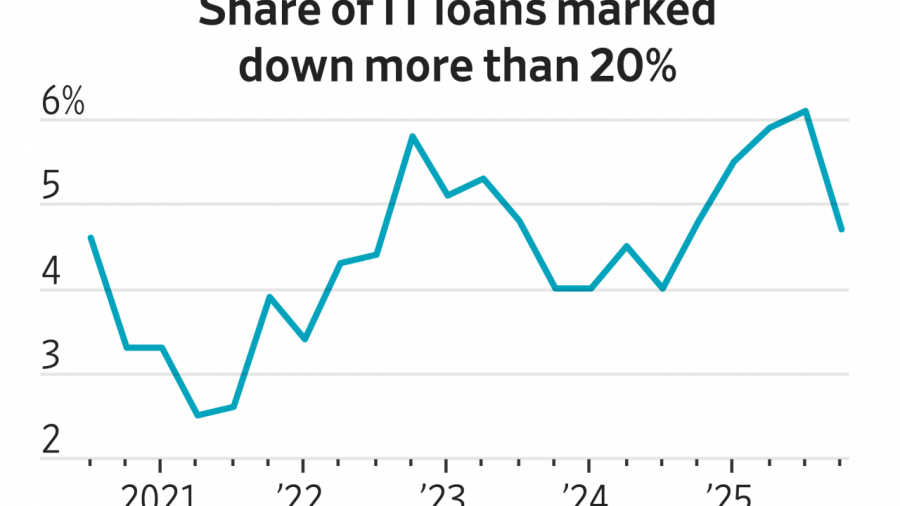
The landscape of software investment is undergoing significant changes, with private software debt witnessing a sharp decline, particularly in 2025. Recent reports indicate that the share of private software debt that has decreased by more than 20% has reached its highest level in five years, raising alarms among investors and industry analysts alike.
The Decline of Software Loans
Software loans, which have been a cornerstone of financing for many tech companies, are now facing an unprecedented downturn. The trend is particularly concerning as it comes at a time when fears surrounding artificial intelligence (AI) are escalating, potentially leading to what some analysts are dubbing the “SaaS-pocalypse.” This term reflects the anxiety surrounding the sustainability of Software as a Service (SaaS) business models in an increasingly competitive and technologically advanced market.
Understanding the Numbers
In 2025, data revealed that the percentage of private software debt that had fallen more than 20% was alarmingly high. This trend signals a shift in the investment landscape, as stakeholders are becoming more cautious about the financial health and future viability of software companies. Investors are reevaluating their strategies in light of both market fluctuations and the rapid advancements in AI technology that could disrupt traditional business models.
Causes for Concern
Several factors are contributing to the current state of software loans:
- Economic Uncertainty: Global economic conditions have become increasingly unpredictable, prompting investors to tighten their purse strings.
- AI Advancements: The rapid evolution of AI technologies is raising questions about the longevity of existing software solutions.
- Market Saturation: With a growing number of software providers entering the market, competition has intensified, leading to price wars that threaten profitability.
- Regulatory Scrutiny: As software companies face increasing scrutiny regarding data privacy and security, potential liabilities have made investors wary.
The Impact on Startups and Established Companies
The downturn in software loans is not only affecting startup companies, which often rely heavily on external financing to fuel growth, but also established firms that are now rethinking their funding strategies. Many startups that previously thrived in a flourishing investment environment are now struggling to secure the funding necessary to innovate and compete.
A Shift in Investor Sentiment
Investor sentiment is shifting as the market grapples with these challenges. Many are prioritizing companies that demonstrate resilience and adaptability in the face of rapid technological changes. This trend has led to a more discerning approach to investment, where only the most promising software firms are able to attract the necessary capital.
Looking Ahead
The future of software loans remains uncertain, as the industry adapts to these challenges. It is essential for software companies to pivot and innovate, ensuring that their offerings remain relevant in an evolving market landscape. Investors, for their part, will need to remain vigilant and informed, as the dynamics of the software financing sector continue to change.
Conclusion
As we move further into 2025, the software industry stands at a crossroads. The challenges currently faced by software loans could reshape the financial landscape for years to come. Stakeholders must navigate this rough patch with caution, embracing innovation and strategic planning to withstand the pressures of a rapidly changing market.