Introduction
In a significant move towards European integration, Moldova has officially opened its first cluster of negotiations to join the European Union. This pivotal moment was underscored by the recent EU-Moldova summit held on June 22, 2026, in Brussels, where Moldovan President Maia Sandu articulated her hopes for recognition from EU member states regarding Moldova’s commitment to this journey.
Moldova’s Strategic Position
Situated between Ukraine and Romania, the ex-Soviet republic of nearly three million people is at a crossroads, both geographically and politically. The aspirations of the Moldovan government to align more closely with the EU come at a time when the region is experiencing heightened tensions, particularly due to the ongoing conflict in Ukraine. The situation has transformed Moldova into a battleground for competing influences from pro-European and pro-Kremlin factions.
President Maia Sandu’s Vision
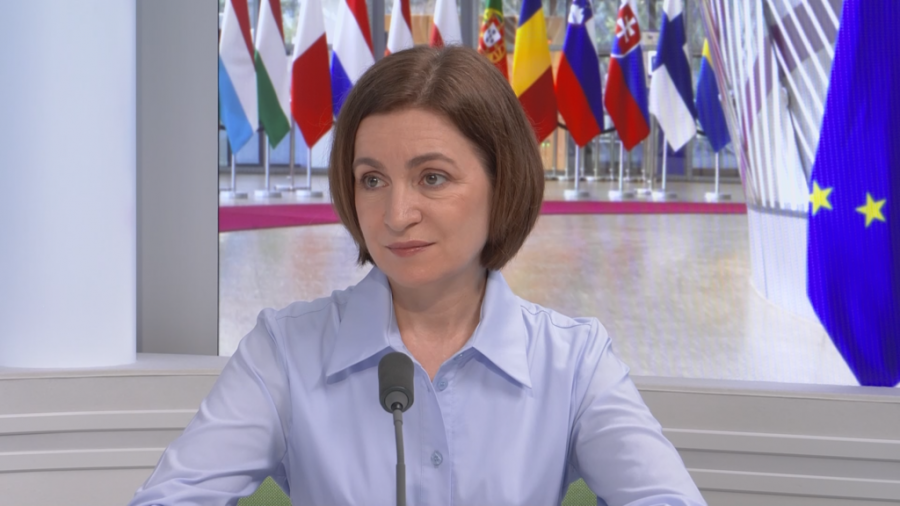
During her appearance on FRANCE 24, President Sandu expressed optimism about Moldova’s future within the EU. “We hope the member states will recognize our effort to join the EU,” she said, emphasizing the importance of solidarity and support from European nations as Moldova navigates this complex political landscape. Sandu’s administration has been keen on implementing reforms that align with EU standards, aiming to enhance governance, strengthen the rule of law, and combat corruption.
Geopolitical Implications
As Moldova advances its EU membership aspirations, it finds itself caught in the crosshairs of a broader geopolitical struggle. Pro-Kremlin forces within the country have been mobilizing against the pro-European government, attempting to undermine its legitimacy and push for closer ties with Russia. This tension has raised concerns about stability in Moldova and the potential for increased Russian influence in the region.
The EU-Moldova Summit
The EU-Moldova summit in Brussels served as a platform for discussing the path forward for Moldova’s EU accession. Leaders from both sides engaged in dialogues about economic cooperation, political reforms, and security concerns. Key among the topics was the EU’s commitment to investing in Moldova’s development, which is crucial for bolstering the country’s democratic institutions and economic resilience.
Investment in Moldova
In conjunction with the summit, FRANCE 24 reported on the inaugural conference focused on EU investment in Moldova, highlighting the significant financial backing that the EU is prepared to offer. “Investment is essential for our development and integration into the EU,” Sandu remarked, envisioning a future where Moldova becomes a thriving part of the European community.
Challenges Ahead
While the prospects for EU membership appear promising, Moldova faces numerous challenges. The need for comprehensive reforms, particularly in anti-corruption measures and judicial independence, remains paramount. Additionally, the internal division between pro-European and pro-Kremlin factions threatens to destabilize the government’s efforts.
The Path Forward
Despite these hurdles, the Moldovan government is resolute in its pursuit of EU membership. The commitment to uphold democratic values and align with European standards will be crucial in garnering the support of EU member states. As Moldova continues its journey, the hope is that the international community will recognize the significance of its efforts and the strategic importance of a stable, democratic Moldova on the European continent.
Conclusion
As Moldova steps into this new chapter, the eyes of Europe are watching closely. The country stands at a pivotal moment in its history, with the potential to reshape its future and that of the region. The outcome of this journey will not only determine Moldova’s fate but also influence the broader geopolitical landscape in Eastern Europe.