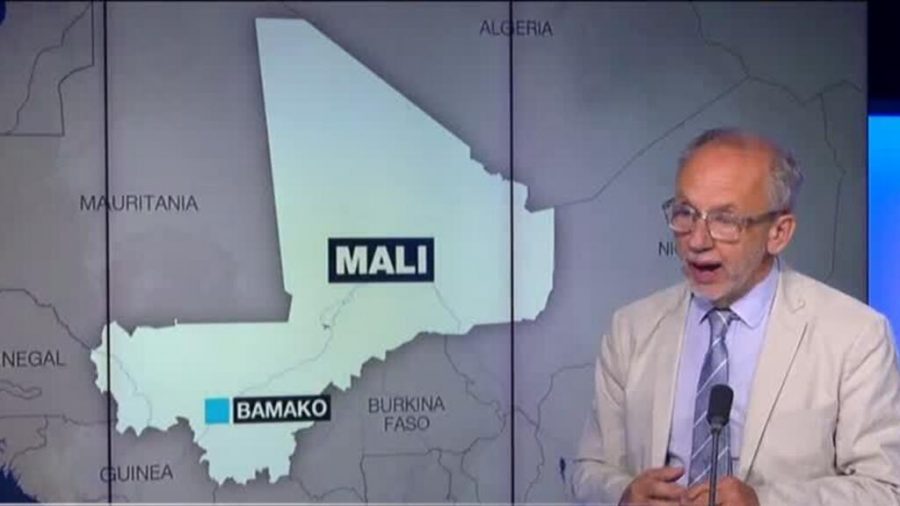
Escalating Violence in Mali: A New Wave of Rebel Attacks
Mali is once again at the center of turmoil as jihadist groups and their separatist Tuareg allies launched a series of coordinated attacks on Saturday. This fresh wave of violence targets multiple towns and even a prison, signaling a troubling resurgence in hostilities just months after a similar assault weakened the country’s military junta.
Background of the Conflict
For years, Mali has grappled with insecurity stemming from a complex web of ethnic tensions, jihadist insurgencies, and a struggle for political control. The situation escalated dramatically in 2012 when a coup d’état led to the fragmentation of the country, sparking a rebellion in the north. Since then, various factions, including the Tuareg and numerous extremist groups, have vied for power, often at the expense of civilian safety.
Details of the Recent Attacks
The coordinated attacks on Saturday saw militants strike key locations across several towns, employing tactics that suggest a high level of planning and organization. Reports indicate that combatants targeted military outposts, local government offices, and a prison, aiming to free imprisoned allies. Eyewitness accounts detail a scene of chaos, with gunfire ringing out and residents fleeing to safety.
The Impact on Civilians
As violence escalates, the civilian population bears the brunt of the conflict. Many residents are now living in fear, facing the dual threat of jihadist violence and military reprisals. Humanitarian organizations have expressed concern over the deteriorating conditions, with thousands already displaced and in need of urgent assistance.
The Response from the Military Junta
The recent spate of attacks poses a significant challenge to Mali’s military junta, which has struggled to maintain control and stability in the face of ongoing insurgencies. After the previous assaults weakened their position, this latest wave raises questions about the effectiveness of their security strategies. In response to the attacks, the junta has vowed to bolster military operations aimed at reclaiming lost territory and restoring order.
Regional and International Implications
The situation in Mali has broader implications for the Sahel region, where instability can spill over borders, creating a ripple effect. Neighboring countries are on high alert, and the international community is closely monitoring the developments. The United Nations and African Union have called for renewed efforts to support peacekeeping and stabilization initiatives.
Conclusion
This latest wave of coordinated attacks not only highlights the ongoing challenges in Mali but also underscores the urgent need for a comprehensive approach to security and governance in the region. As the conflict deepens, the future remains uncertain for both the Malian people and the stability of the Sahel as a whole.
- Key Points:
- Coordinated attacks by jihadists and Tuareg allies.
- Targets include multiple towns and a prison.
- Military junta faces significant challenges.
- Civilians suffer amid escalating violence.
- Broader regional implications for Sahel security.