Mali’s Northern Towns Under Siege
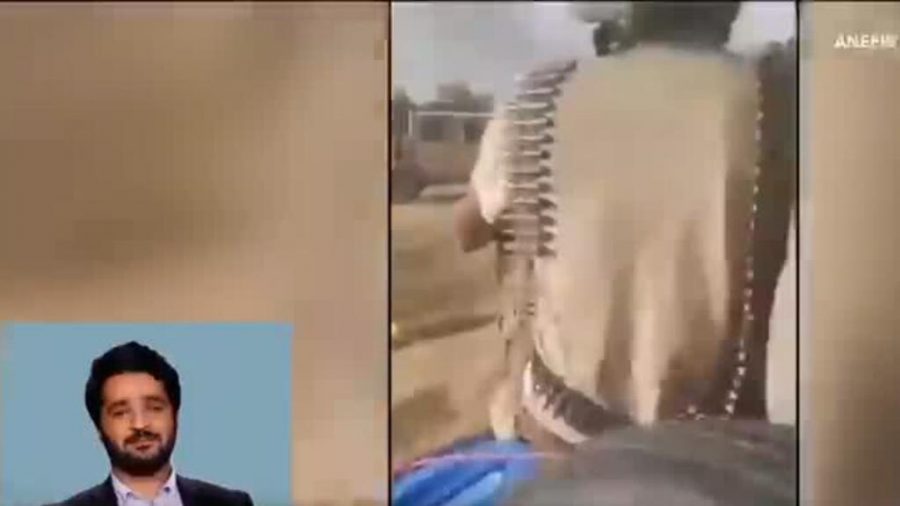
In a worrying escalation of violence, the Malian government reported on Saturday that several towns in the northern region, including the strategic locations of Gao and Sévaré, have come under attack from rebel forces. This announcement coincided with a declaration from a prominent rebel group, the Azawad Liberation Front (FLA), which has initiated a fresh offensive aimed at capturing the town of Anefis.
Background of the Conflict
The ongoing conflict in Mali has roots that trace back to a complex web of ethnic tensions, political instability, and the aftermath of a failed coup in 2012. Since then, various rebel groups, including the FLA, have sought autonomy for the northern regions, which they argue have been marginalized by the central government in Bamako.
Recent Rebel Activities
In a statement released via social media, Mohamed Elmaouloud Ramadane, a spokesperson for the FLA, confirmed their intentions to seize control of Anefis. “We are committed to our cause and will not back down until we achieve our goals for autonomy and justice for our people,” Ramadane proclaimed in a Facebook post. This announcement has raised alarm among local citizens and government officials alike, signaling a potential resurgence of armed conflict in an area that has seen its share of violence.
Government Response
In response to the rebel offensive, the Malian army has heightened its military presence in the affected towns and has vowed to protect civilians and restore order. An official statement from the military emphasized their readiness to counter any threats posed by rebel groups. “Our forces are on high alert, and we will take all necessary measures to ensure the safety of our citizens,” the statement read.
The Humanitarian Impact
The resurgence of violence in northern Mali has significant humanitarian implications. Civilians in these regions often find themselves caught in the crossfire, leading to displacement and a growing humanitarian crisis. Aid organizations have reported difficulties in accessing affected areas due to insecurity, which has hampered efforts to provide essential services and support to those in need.
International Reactions
The international community has been closely monitoring the situation in Mali, with calls for dialogue and a peaceful resolution to the conflict. The United Nations and various human rights organizations have expressed concern over the rising violence and its impact on local populations. Diplomatic efforts are underway to bring all parties to the negotiating table in hopes of achieving lasting peace in the region.
The Road Ahead
As the situation continues to unfold, the fate of northern Mali remains uncertain. With the FLA’s renewed offensive and the government’s response, the potential for a broader conflict looms large. Analysts warn that unless a comprehensive approach is taken to address the underlying issues of governance, ethnicity, and local grievances, stability in Mali will remain elusive.
Conclusion
In conclusion, the attacks on northern towns such as Gao, Sévaré, and Anefis underscore the fragility of peace in Mali. As both sides prepare for potential clashes, the hope for a peaceful resolution seems increasingly distant. The coming weeks will be crucial in determining whether dialogue or further violence will shape the future of this West African nation.