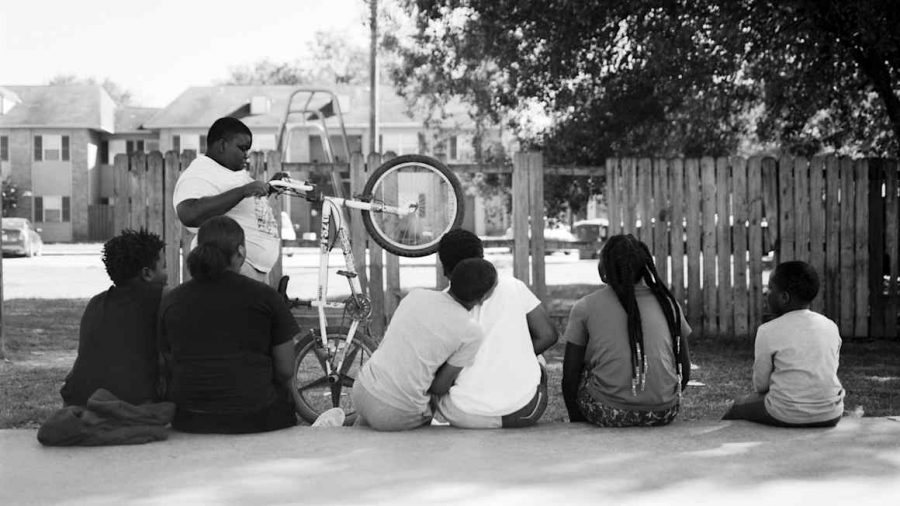
The Forgotten Massacre of Elaine, Arkansas
In the aftermath of World War I, a dark chapter in American history unfolded in the small town of Elaine, Arkansas. The events of 1919, marked by racial violence and tragedy, have largely been forgotten by many, but a new generation is rising to document and understand the legacy of conflict that shaped their community.
The Historical Context
The Elaine Massacre, which took place in September 1919, was one of the deadliest racial conflicts in U.S. history. It resulted in the deaths of an estimated 100 to 240 African Americans, spurred by racial tensions and economic competition following the war. The local Black community, which had been organizing for better wages and working conditions, was met with violent backlash from white residents and law enforcement.
Erasing the Past
For decades, the story of the massacre was buried under layers of silence and denial. Many residents of Elaine, both Black and white, chose to forget this harrowing event, largely due to the pain and shame it brought to the community. The lack of acknowledgment has left a significant gap in the historical narrative of the town, leading to a disconnect between past and present.
A New Generation Takes Action
In recent years, a group of young activists, historians, and educators in Elaine have begun to confront this painful legacy. Through community meetings, educational programs, and historical research, they aim to bring the story of the massacre to light. This initiative is not just about remembering the past but also about fostering dialogue and healing within the community.
Documenting the Legacy
Local schools have integrated lessons about the Elaine Massacre into their curricula, encouraging students to explore the historical significance of the events. Documentaries, articles, and art projects have emerged, showcasing personal narratives and testimonies from descendants of the victims. These initiatives serve as a means of preserving history and ensuring that such atrocities are never forgotten.
Community Engagement
The work being done in Elaine is bolstered by community engagement. Local organizations are hosting events that invite residents to share their stories and discuss the implications of the massacre on contemporary race relations. These gatherings have become a platform for healing, allowing individuals to confront the trauma of the past collectively.
Challenges Ahead
Despite the progress, challenges remain. Some residents still resist addressing the massacre, fearing that revisiting such a painful history will only deepen divisions within the community. However, advocates believe that acknowledging the past is essential for moving forward and building a more inclusive future.
A Legacy of Resilience
The efforts to document and remember the Elaine Massacre are part of a broader movement across the United States to reckon with racial violence and injustice. As communities nationwide confront their own histories, Elaine serves as a poignant reminder of the importance of remembrance and the resilience of those who seek justice.
Conclusion
The massacre that America forgot is slowly being unearthed in Elaine, Arkansas. Through education, dialogue, and community activism, a new generation is not only reclaiming their history but also forging a path toward reconciliation and understanding. As they continue this important work, they honor the memory of those lost in 1919, ensuring their stories are told and their legacy is remembered.