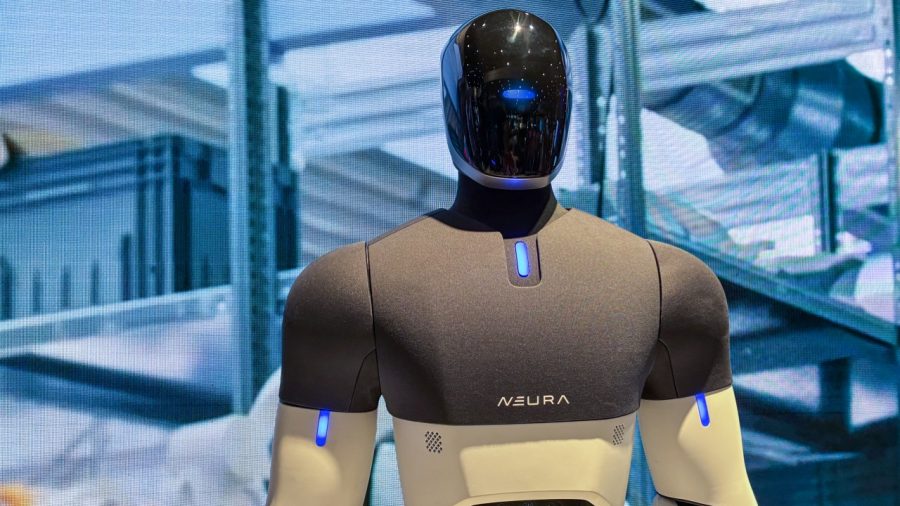
The Quest to Make Humanoid Robots Safe Enough for Humans
As technology advances, the rise of humanoid robots presents both exciting opportunities and significant challenges. A recent series of viral mishaps involving humanoid robots has highlighted a crucial concern: how can we ensure these machines operate safely around humans?
The Growing Presence of Humanoid Robots
Humanoid robots are becoming increasingly common in various sectors, from healthcare to entertainment. Their ability to mimic human actions and interactions makes them valuable assistants in numerous fields. However, the very design that allows them to engage with humans also poses inherent risks.
Recent Incidents Raise Alarm
High-profile incidents have raised eyebrows regarding the safety of humanoid robots. Videos showcasing robots malfunctioning or acting unpredictably have gone viral, sparking fears about their integration into everyday life. For instance, a popular video showed a robot losing balance and colliding with a person, while another depicted a robot misinterpreting commands and causing chaos in a public space. These incidents underscore the urgent need for stringent safety protocols.
Challenges in Robotic Safety
One of the main challenges in ensuring the safety of humanoid robots is their complexity. Unlike traditional machines, humanoid robots must navigate a dynamic environment and respond to human emotions and intentions. This requires advanced algorithms and sensors to interpret and predict human behavior accurately.
- Designing for Safety: Engineers must prioritize safety in the design phase, incorporating features that prevent harm, such as soft materials and fail-safes.
- Robust Testing: Rigorous testing is essential to identify potential hazards and ensure that robots can handle unexpected situations without causing injury.
- Human-Robot Interaction: Understanding how humans perceive and interact with robots is crucial for developing machines that can operate safely in human environments.
Regulatory Frameworks and Ethical Considerations
As humanoid robots become more integrated into society, the need for regulatory frameworks becomes apparent. Policymakers and industry leaders must collaborate to create guidelines that ensure the safe deployment of these technologies. Ethical considerations also play a vital role, as developers must weigh the benefits of humanoid robots against potential risks to human safety.
The Future of Humanoid Robots
Despite the challenges, the future of humanoid robots looks promising. Ongoing advancements in artificial intelligence and robotics are paving the way for safer, more reliable machines. By focusing on safety, transparency, and ethical development, the robotics industry can foster public trust and acceptance of humanoid robots.
Conclusion
The journey to make humanoid robots safe for human interaction is fraught with challenges, but it is a necessary endeavor. As we continue to explore the potential of these machines, it is imperative to prioritize safety to ensure a harmonious coexistence between humans and robots.