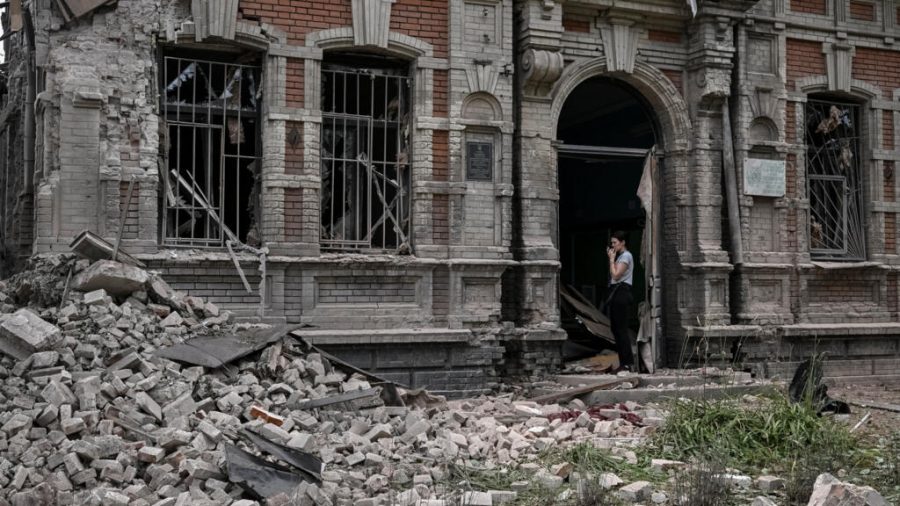
In a significant diplomatic engagement, US President Donald Trump held a late-night conversation on Saturday with Russian President Vladimir Putin and Ukrainian President Volodymyr Zelensky. This meeting took place just before the upcoming NATO summit in Ankara, Turkey, where the ongoing conflict in Ukraine is expected to dominate discussions.
The conflict in Ukraine has reached a critical juncture, with both sides entrenched in their positions. Moscow is insisting on the withdrawal of Ukrainian military forces from the contested Donetsk region, a demand that Kyiv has firmly rejected. As tensions escalate, the stage is set for leaders to address these issues head-on.
Background of the Conflict
The roots of the Ukraine conflict trace back to 2014, when Russia annexed Crimea, leading to a prolonged and bloody struggle in Eastern Ukraine. The Donetsk region, one of the areas most affected by the conflict, has been a focal point of military engagement and political maneuvering. As NATO allies prepare for their summit, the situation remains precarious.
Key Issues on the Table
During the discussions, several critical issues were highlighted:
- Military Presence in Donetsk: Russia’s demand for Ukrainian forces to withdraw from Donetsk is a major sticking point in negotiations.
- Humanitarian Concerns: The ongoing conflict has led to a humanitarian crisis, with thousands displaced and in need of urgent assistance.
- International Response: NATO’s support for Ukraine is expected to be a key topic during the summit, particularly in light of increased aggression from Russia.
Implications for NATO
The NATO summit is poised to be a pivotal moment in addressing not only the Ukraine conflict but also broader security concerns in Europe. With Trump’s involvement as a mediator, the dynamics of the summit may shift significantly. His unique position as a former president and ongoing influence in American politics could impact the discussions and outcomes.
Reactions from World Leaders
World leaders are closely monitoring the situation. Zelensky has expressed a desire for a united front among NATO allies, emphasizing that a strong stance against Russian aggression is essential for the future of Ukraine. Meanwhile, Putin’s approach remains consistent, asserting Russia’s interests in the region while facing international condemnation.
The Road Ahead
As the NATO summit approaches, the prospects for a breakthrough in the Ukraine conflict appear slim. The entrenched positions of both Ukraine and Russia, coupled with the geopolitical complexities surrounding NATO’s involvement, suggest that negotiations may remain at an impasse for the foreseeable future.
In the coming days, all eyes will be on Ankara as leaders gather to discuss not just the fate of Ukraine but the broader implications for European security. The outcomes of this summit could reshape the landscape of international relations and determine the future course of the Ukraine crisis.