As policymakers worldwide increasingly lean towards industrial interventionism, a critical question arises: are they overlooking the fundamental elements that truly drive economic growth? In the pursuit of innovation and modernization, rich nations must refocus their efforts on leveraging land, labour, energy, and capital effectively.
The Shift Towards Industrial Interventionism
In recent years, many developed nations have embraced a philosophy of industrial interventionism, believing that government action can spur economic revival and technological advancement. However, this approach often comes with stringent regulations and oversight that can stifle the very forces that drive growth.
The Importance of Land
Land is more than just a resource; it is a foundational element of economic productivity. In nations where agricultural output and real estate development are tightly controlled, the potential for growth remains untapped. A more liberal approach to land use can unleash agricultural innovations and urban development, leading to job creation and enhanced economic output.
Maximizing Labour Potential
Labour is another critical driver of growth that demands attention. With labour markets evolving rapidly due to technological advancements, countries must invest in education and training to equip their workforce for the jobs of the future. This includes not only traditional educational pathways but also vocational training programs that can help bridge the skills gap.
Energy as a Catalyst for Growth
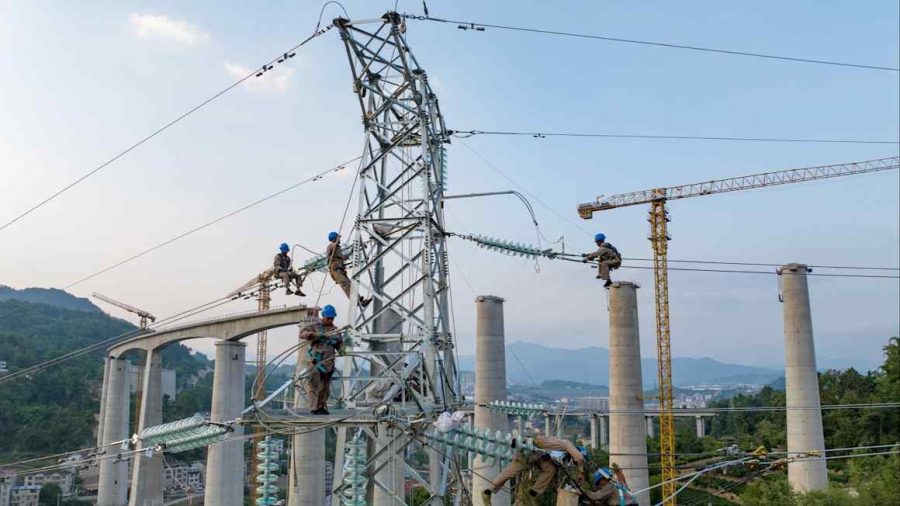
Energy infrastructure plays a vital role in supporting economic development. Rich nations must prioritize investments in sustainable energy solutions that not only meet the current demands but also prepare for future needs. Expanding renewable energy resources can create jobs while reducing dependence on fossil fuels, ensuring a sustainable economic future.
The Role of Capital
Access to capital is crucial for fostering innovation and entrepreneurship. Policymakers must work to create an environment that encourages investment in new businesses and technologies. This may involve reforming financial regulations or providing incentives for venture capital investments in emerging sectors.
Balancing Intervention with Growth Drivers
While industrial interventionism may seem like an attractive solution for stimulating growth, it is imperative for policymakers to strike a balance. By unleashing the potential of land, labour, energy, and capital, rich nations can create a more robust economic environment that fosters innovation without the pitfalls of excessive regulation.
Recommendations for Policymakers
- Promote Land Reform: Review and reform land use policies to encourage agricultural and urban development.
- Invest in Education: Enhance educational systems to focus on skills that meet market demands, including trade skills.
- Support Renewable Energy: Increase investments in sustainable energy to create jobs and reduce environmental impact.
- Encourage Investment: Develop financial policies that foster investment in new technologies and startups.
In conclusion, while the allure of industrial interventionism may guide policymakers in rich nations, it is essential to remember the basic drivers of growth. By refocusing on land, labour, energy, and capital, governments can foster a more dynamic and resilient economy, ensuring prosperity for generations to come.