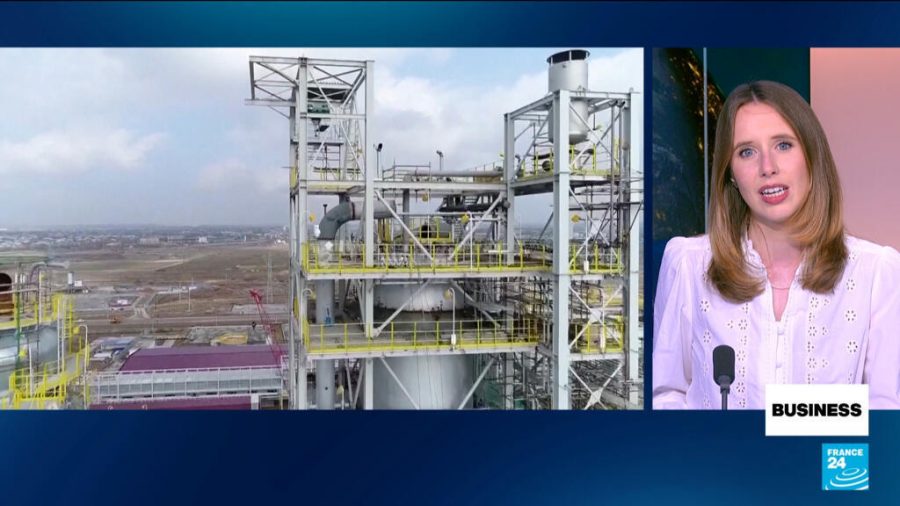
OPEC+ Adjusts Oil Output Targets
In a surprising turn of events, a select number of OPEC+ nations have reached a consensus to boost their oil production targets starting in August. This decision comes at a crucial time for the cartel, which is grappling with internal strife and external pressures, particularly following the departure of the United Arab Emirates (UAE). As the global energy market continues to evolve, the future stability and influence of OPEC hangs in the balance.
Reasons Behind Increased Output
The decision to increase output was influenced by several factors, including rising global demand for oil and a need to stabilize prices that have seen significant fluctuations over the past year. The coalition aims to strike a balance between meeting the needs of consumers and maintaining the economic interests of its member countries.
Challenges Facing OPEC+
Despite this move, OPEC+ finds itself in a precarious situation. The recent withdrawal of the UAE from the organization has raised questions about the cartel’s future. The UAE’s exit not only diminishes OPEC’s overall production capacity but also signals potential dissent among member states regarding output agreements.
Industry analysts suggest that the departure of the UAE, a significant oil producer, could embolden other nations to reconsider their commitments to the cartel. “The solidarity of OPEC+ is being tested,” said energy analyst Sarah Thompson. “If more countries follow suit, it could lead to a fragmentation of the organization that has long been a dominant player in the global oil market.”
Impact on Global Oil Prices
The announcement of increased output has implications beyond the cartel itself. As nations adjust their production levels, global oil prices are likely to experience volatility. Recent trends indicate that while an increase in output may temporarily alleviate price pressures, it could also lead to oversupply in the market if demand does not keep pace.
In the short term, consumers may benefit from lower prices at the pump, but these changes can have wide-ranging effects on economies reliant on oil revenues. Countries that depend heavily on oil exports may face financial instability if prices fall too low.
Innovative Solutions in Urban Energy Management
Amidst the shifting dynamics in the oil industry, innovative solutions are emerging in urban energy management. A French company has recently unveiled a project that utilizes the River Seine to cool down buildings in Paris. This initiative highlights the growing trend of sustainable practices in urban planning and energy consumption, offering a glimpse into a future where cities may rely less on fossil fuels.
By harnessing the river’s natural resources, the initiative aims to reduce energy costs while simultaneously contributing to environmental sustainability. As cities around the world grapple with climate change, such innovative approaches may become increasingly vital.
Media Landscape Changes: Sky Acquires ITV Channels
In the realm of media, Sky has announced its acquisition of ITV’s broadcast channels and streaming service for an impressive £1.6 billion. This strategic move underscores the ongoing consolidation within the media industry as companies seek to enhance their content offerings and compete effectively in the digital landscape.
The acquisition is expected to provide Sky with a broader range of programming and strengthen its position in the competitive streaming market. As viewer habits shift toward on-demand content, such acquisitions are seen as essential for survival in an ever-evolving industry.
Conclusion
As OPEC+ navigates its uncertain future after the UAE’s departure, the global oil landscape remains in flux. The recent decision to increase output reflects both the challenges and opportunities that lie ahead for the cartel. Concurrently, innovative solutions in urban energy management and significant media acquisitions indicate that change is a constant in both the energy and media sectors. The coming months will be critical in determining how these dynamics shape the future of global energy and entertainment.