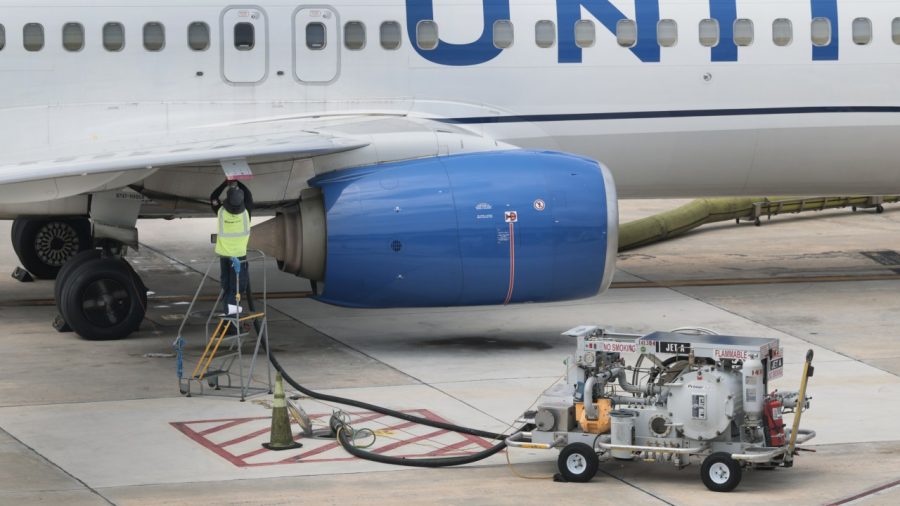
Jet-Fuel Prices Plummet, Yet Airfares Hold Steady
In a surprising twist, the dramatic decline in jet-fuel prices has not translated into significantly lower airfares for travelers. Despite a drop in fuel costs, airlines are maintaining their pricing strategies, choosing not to rush back into previously cut flight routes and schedules.
The Impact of Falling Fuel Costs
Recently, jet-fuel prices have seen a notable decrease, falling to levels that many industry experts believe should lead to lower travel costs for consumers. However, airlines seem to be banking on the willingness of travelers to pay higher fares, thus holding off on price reductions.
Why Aren’t Airlines Lowering Fares?
Several factors contribute to airlines’ reluctance to lower fares despite the favorable conditions created by cheaper fuel:
- Supply and Demand: With travel demand soaring post-pandemic, airlines are capitalizing on the market’s willingness to pay for flights. Many consumers are eager to travel, often prioritizing experiences over costs.
- Financial Recovery: Airlines are still recovering from the financial toll of the COVID-19 pandemic. Maintaining higher fares allows carriers to bolster their revenues, ensuring they can cover operational costs and invest in future growth.
- Operational Costs: While fuel is a significant expense, airlines face other rising operational costs, including labor, maintenance, and airport fees. These factors can offset any potential savings from reduced fuel prices.
- Strategic Planning: Airlines are taking a cautious approach in restoring routes and flights. Many carriers are hesitant to bring back previously suspended services, focusing instead on optimizing their existing schedules to maximize profitability.
Current Trends in Air Travel Pricing
The landscape of air travel pricing is complex. While jet-fuel prices have fallen, airfares have not seen a corresponding drop. According to recent reports, average airfares remain higher than pre-pandemic levels, indicating that airlines are confident in their pricing power.
Travelers are increasingly faced with the reality of higher costs, with many opting to book flights regardless of the price. This trend has allowed airlines to maintain their pricing structures even in the face of declining fuel costs.
Consumer Behavior and Expectations
As travelers continue to pay up for flights, airlines are observing shifts in consumer behavior. Many passengers now prioritize flexibility and convenience over cost, with many willing to pay a premium for direct flights or more favorable schedules.
This changing landscape has led to a re-evaluation of pricing strategies among airlines. Some carriers are investing in enhanced customer experiences, including improved in-flight services and loyalty programs, to justify their pricing amidst rising costs.
Future Outlook for Airfares and Flight Availability
Looking ahead, the aviation industry is at a crossroads. As jet-fuel prices stabilize and demand continues to fluctuate, airlines will need to decide how to balance profitability with passenger expectations. The question remains: will we see a return to more competitive pricing as the market adjusts?
For now, travelers may need to brace themselves for continued high fares, even as fuel prices decline. The dynamics of the airline industry are shifting, and understanding these trends can help consumers make informed travel decisions.