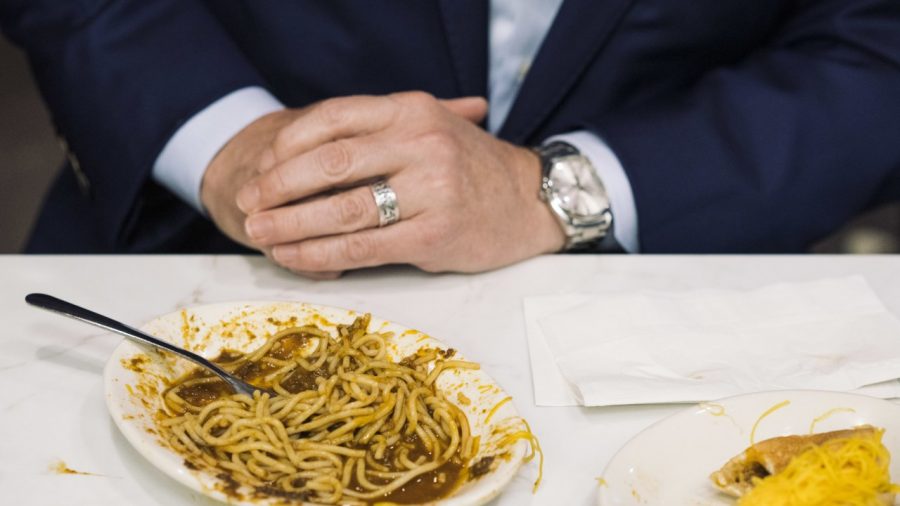
Fifth Third and Comerica Bank Merger: The Great Chili Debate
In a surprising twist amid corporate negotiations, the merger between Fifth Third Bank and Comerica has sparked an unexpected culinary debate among executives: beans or no beans in chili? As these two regional banking giants move closer to finalizing their merger, it seems their differences extend beyond finance and into the heart of American comfort food.
The Merger: A Strategic Move for Growth
Fifth Third Bank, headquartered in Cincinnati, Ohio, has set its sights on expanding its reach through the acquisition of Comerica Bank, a well-established institution based in Detroit, Michigan. The merger, valued at several billion dollars, is expected to create one of the largest banking entities in the Midwest, allowing both banks to leverage their assets and customer bases.
However, as the leaders of both banks prepare to integrate operations, they have stumbled upon a rather humorous yet telling cultural clash. During a recent executive meeting aimed at fostering team spirit, the topic of chili arose, igniting a passionate debate that left some executives amused and others bewildered.
The Great Chili Debate
The question posed was simple: should chili include beans or not? This seemingly trivial question revealed deeper differences in culinary culture and regional preferences. Many in the Midwest, particularly in areas where Fifth Third operates, believe that beans are an essential ingredient. Meanwhile, Comerica’s leadership, hailing from Detroit, leans towards the traditional Texas-style chili, which famously eschews beans entirely.
“It’s not just about the chili; it’s about our identity and where we come from,” said one Fifth Third executive during the meeting. “Beans are a staple in our chili, and they represent comfort and community.” Conversely, a Comerica executive countered, “Chili without beans is pure, unadulterated flavor. It’s a bold dish that speaks to our roots.”
Understanding the Stakes
While this debate may seem lighthearted, it underscores the realities of merging corporate cultures. As banks evolve, they must navigate not only financial strategies but also the informal traditions that shape their identities. Culinary preferences can act as a microcosm of larger regional differences, highlighting the need for sensitivity and understanding in any merger.
Experts in corporate mergers suggest that leaders should take these cultural differences into account. “It’s crucial for merging companies to find common ground, not just in business practices but in cultural understandings as well,” says Dr. Emily Hart, a corporate psychologist specializing in mergers. “Food can be a powerful unifier or divider.”
A Recipe for Success
In an effort to bridge the gap, the executives have proposed a compromise: a chili cook-off featuring both bean and bean-less versions of the dish, allowing employees from both banks to vote on their favorite. This initiative not only promotes camaraderie but also serves as a fun, engaging way to blend the two corporate cultures.
With the merger set to finalize in the upcoming months, it remains to be seen which chili style will come out on top. However, what is clear is that while Fifth Third and Comerica may differ in their culinary preferences, their commitment to creating a strong, unified banking institution is at the forefront of their merger discussions.
Conclusion
As the financial world watches this merger unfold, it serves as a reminder that even the most serious business negotiations can be peppered with humor and lighthearted debates. Whether it’s beans or no beans, the Fifth Third and Comerica merger will undoubtedly be remembered not only for its financial implications but also for the unique way it brought together diverse perspectives.