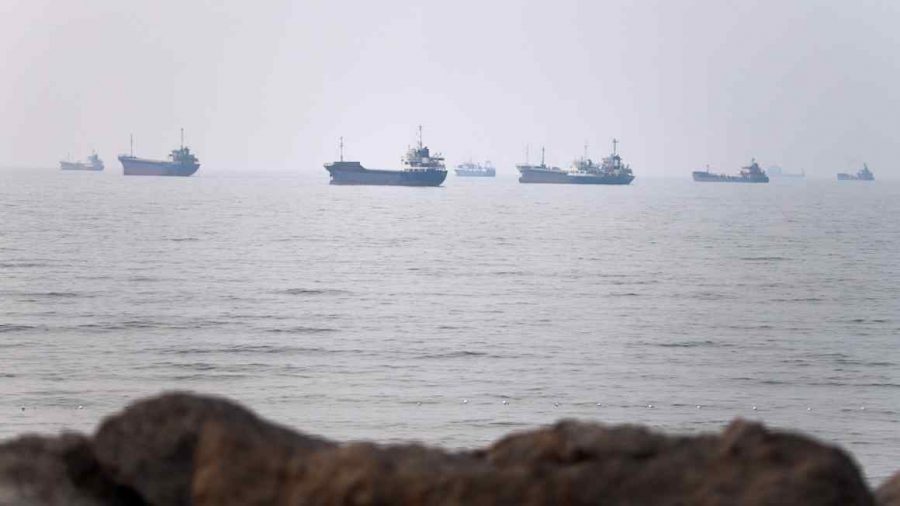
Qatari Gas Tanker Attacked in Strait of Hormuz
In a troubling escalation of maritime tensions in one of the world’s most critical shipping lanes, a Qatari gas tanker was reportedly struck by gunfire while navigating near the coast of Oman. This incident underscores the precarious state of security in the Strait of Hormuz, a vital artery that facilitates a significant portion of the world’s oil and gas transportation.
Details of the Incident
The tanker, identified as Al Rekayyat, was targeted as it traveled through the Strait of Hormuz, an area frequently cited for its strategic importance and vulnerability to conflict. Initial reports indicate that the vessel was struck by multiple rounds of gunfire, though the extent of damage and the identity of the assailants remain unclear.
Significance of the Strait of Hormuz
The Strait of Hormuz serves as a crucial passage for energy supplies, with approximately 20% of the world’s oil passing through its waters. Given its significance, any threat to shipping in this region can have profound implications for global oil markets and international relations.
Context of Rising Tensions
This incident is not an isolated event. The maritime domain in and around the Strait of Hormuz has seen increased aggression in recent months, with various nations asserting their military presence. Tensions between Iran and Western nations, particularly the United States, have heightened concerns over the safety of maritime operations in the region.
Reactions from Global Leaders
In response to this attack, several global leaders have expressed their concerns over the safety of shipping in the Strait of Hormuz. The Qatari government has called for immediate investigations and heightened security measures to protect vessels navigating these perilous waters.
The Broader Implications
As the situation unfolds, analysts warn that such incidents could lead to retaliatory actions and further destabilization in an already volatile region. The potential for escalated military engagements poses risks not only to the countries directly involved but also to global energy markets, which are sensitive to disruptions in supply.
Conclusion
The attack on the Al Rekayyat serves as a stark reminder of the fragility of maritime security in the Strait of Hormuz. As nations continue to jockey for power and influence in the region, the international community must remain vigilant and proactive in ensuring that vital shipping lanes remain safe and open. The need for diplomatic efforts to de-escalate tensions has never been more critical.