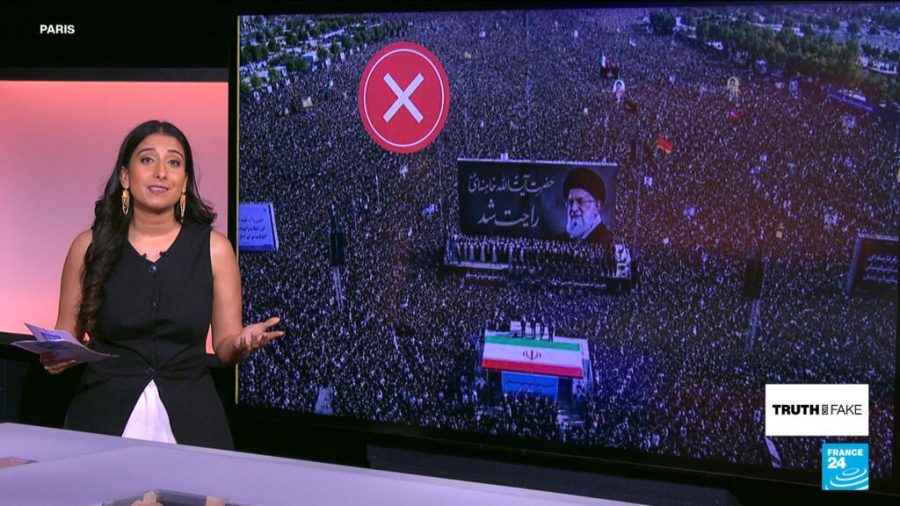
AI-Generated Fakes Surge Online Amid Mourning for Iran’s Khamenei
The death of former Supreme Leader Ayatollah Ali Khamenei has prompted an outpouring of grief across Iran, with massive crowds gathering in Tehran to pay their respects. However, alongside the genuine scenes of mourning, a flood of AI-generated images and videos has emerged, distorting the reality of the somber occasion.
A Nation in Mourning
As Iran mourns the passing of Khamenei, who led the nation for decades, the streets of Tehran became a poignant backdrop for thousands of mourners. News agencies reported significant turnout, with citizens lining the streets to honor a figure who played a pivotal role in shaping Iran’s political landscape. Observers noted the emotional atmosphere, filled with chants and tributes, as people from all walks of life came together to express their sorrow.
The Rise of AI Manipulation
However, amid this genuine grief, a more troubling trend has surfaced. Social media platforms have seen a dramatic increase in AI-generated content that misrepresents the events taking place. Some of these digital creations exaggerate the size of the crowds, portraying a scene that is far removed from reality. Others feature glaring errors typical of AI generation, such as warped images and invented landmarks that do not exist in Tehran.
- Manipulation of Reality: Many of the AI-produced images have been shared widely, often accompanied by sensational headlines designed to generate clicks and engagement.
- Community Response: Users have expressed frustration at the spread of misinformation, calling for more vigilance in verifying sources before sharing content online.
- Impact on Public Perception: Such fakes not only mislead viewers but can also influence public perception, potentially altering the narrative surrounding significant events.
The Role of Technology in Information Warfare
The rise of AI technology has opened new avenues for misinformation, presenting challenges for both users and platforms. As the lines between real and fabricated content blur, it becomes increasingly difficult for individuals to discern the truth. Experts warn that this trend could have broader implications, particularly in politically charged environments like Iran.
In the wake of Khamenei’s death, the proliferation of these AI fakes raises questions about the integrity of information shared online. The ability to create convincing yet false narratives can undermine trust in legitimate news sources and contribute to a fragmented media landscape.
Call for Awareness and Verification
Digital literacy has never been more crucial. As mourners gather in Tehran and the world watches, the responsibility lies with social media users to critically evaluate the content they encounter. Fact-checking and verification should become essential practices, especially during significant national events.
Social media platforms are also urged to enhance their efforts in curbing the spread of AI-generated misinformation. By implementing stricter guidelines and utilizing advanced tools to identify fake content, these platforms can play a pivotal role in preserving the integrity of information shared online.
Conclusion
The funeral of Ayatollah Ali Khamenei marks a significant moment in Iranian history, one that deserves to be remembered authentically. As AI-generated fakes continue to flood social media, it is imperative for individuals and organizations alike to prioritize accurate reporting and responsible sharing. In doing so, we honor not only Khamenei’s legacy but also the truth that underpins our shared reality.