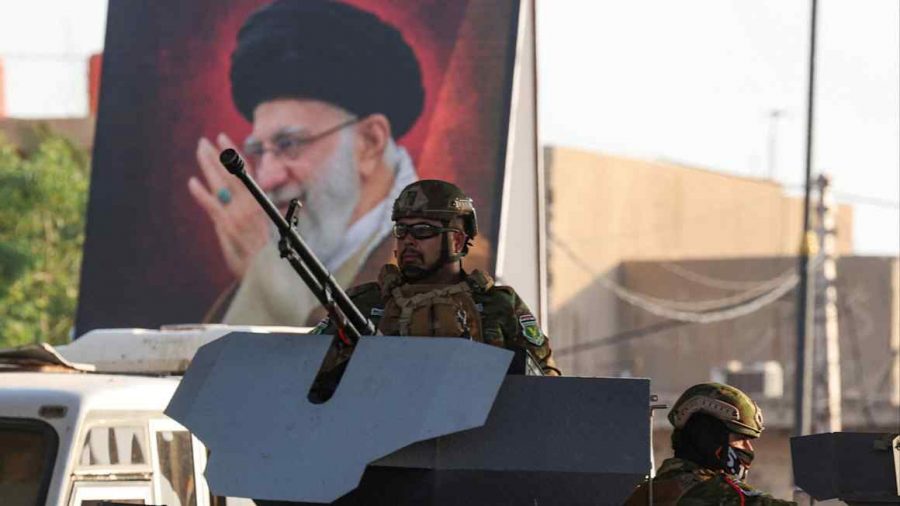
Iran Amplifies Regional Influence as Khamenei’s Funeral Procession Moves to Iraq
In a significant display of regional power, Iran is preparing to showcase the body of its late Supreme Leader, Ali Khamenei, in key Shia holy cities as a means to bolster its influence across the Middle East. The funeral procession, which will take place in Iraq, symbolizes Iran’s efforts to consolidate its strength within the Shia community and reinforce its geopolitical standing in a volatile region.
A Symbol of Unity Among Shia Communities
The decision to hold Khamenei’s funeral in revered Shia cities such as Najaf and Karbala underscores Iran’s ambition to unite Shia Muslims across the region. These sites are not only religiously significant but also serve as cultural and political epicenters for Shia Islam. By showcasing Khamenei’s body in these cities, Iran aims to strengthen its ties with local populations and assert its role as a leader of the Shia faith.
The Context of Khamenei’s Death
Khamenei, who led Iran for over three decades, was a pivotal figure in shaping the country’s foreign policy and its regional strategy. His death has created a power vacuum, but Iran’s leadership appears determined to maintain the status quo by leveraging his legacy. The funeral procession is expected to draw large crowds, with thousands of mourners expected to pay their respects.
Reviving the Axis of Influence
Tehran’s strategy is not only about honoring Khamenei but also about revitalizing the so-called “Axis of Resistance,” a coalition of Shia militias and political factions across the Middle East including Hezbollah in Lebanon, militias in Iraq, and the Houthis in Yemen. This axis has been instrumental in countering U.S. influence and supporting Iran’s regional ambitions.
The Role of Iraq in Iran’s Strategy
Iraq holds a unique position in Iran’s geopolitical calculations. The two countries share deep historical, cultural, and religious ties, especially among the Shia population. By conducting Khamenei’s funeral in Iraq, Iran seeks to reinforce its influence over Iraqi politics, which has been increasingly susceptible to Iranian sway since the fall of Saddam Hussein.
Potential Repercussions and Regional Tensions
While Iran’s actions may resonate positively among Shia communities, they could also exacerbate tensions with Sunni-majority nations and further polarize the region. Countries such as Saudi Arabia and the United Arab Emirates have historically viewed Iran’s expansionist policies with suspicion, often leading to confrontations in proxy conflicts across the Middle East.
Global Reactions and Implications
The international community is closely monitoring the developments surrounding Khamenei’s funeral. Analysts suggest that Iran’s ability to project power during this time is crucial for its leadership. The funeral could be a litmus test for Iran’s current leadership, highlighting its capacity to maintain internal cohesion and exert influence abroad.
Conclusion: A Defining Moment for Iran
As Khamenei’s funeral procession heads to Iraq, it represents a defining moment for Iran as it seeks to navigate a complex regional landscape. The event not only honors a revered leader but also serves as a strategic maneuver to solidify Iran’s role as a regional power in the face of ongoing challenges and rivalries. The coming days will reveal the full impact of this display of power, both domestically and internationally.