Introduction
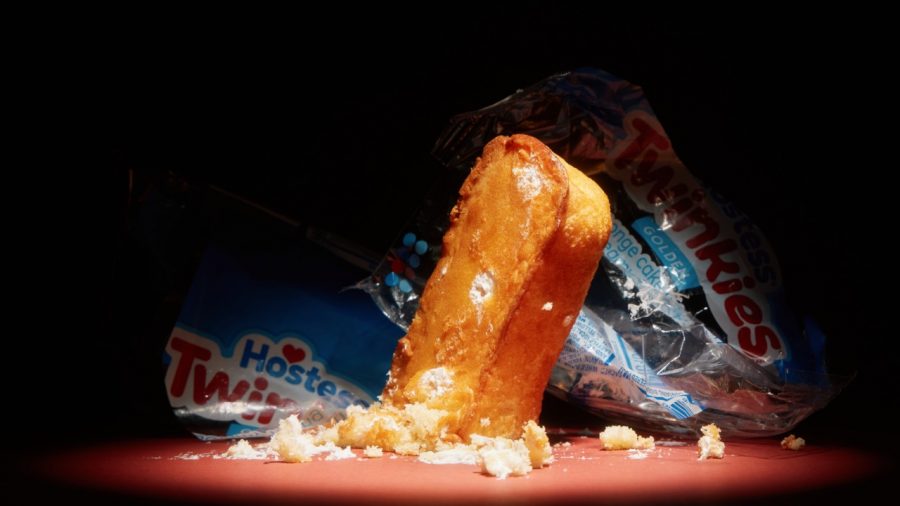
In a bold move that shocked the food industry, The J.M. Smucker Company made headlines in 2021 when it acquired Hostess Brands, the maker of the iconic Twinkie, for a staggering $5 billion. However, what was expected to be a sweet deal has turned sour, as the investment has struggled to yield the anticipated returns. This article delves into the factors that contributed to the failure of this ambitious venture, particularly focusing on the Twinkie’s limited shelf life and shifting consumer preferences.
The Allure of the Twinkie
When Smucker’s announced the acquisition, there was palpable excitement. The Twinkie, a beloved snack cake with a rich history dating back to the 1930s, seemed like a perfect fit for Smucker’s portfolio, which already included a variety of well-known brands. The brand’s nostalgic appeal and its status as a cultural icon suggested that it would continue to thrive in the competitive snack market.
Consumer Habits in Flux
However, the landscape of consumer preferences has changed dramatically over the past few years. Today’s health-conscious consumers are increasingly gravitating towards snacks that are perceived as healthier or more natural. The Twinkie, with its artificial ingredients and high sugar content, has found itself at odds with these shifting trends. As people become more aware of nutrition, indulgent treats like Twinkies have seen a decline in popularity.
Shelf Life Challenges
Another significant issue that has arisen for Smucker’s is the Twinkie’s relatively short shelf life of just 65 days. This limited timeframe poses substantial logistical challenges for retailers and distributors. Unlike other snacks that can remain fresh for months, the Twinkie’s perishability can lead to increased waste and diminished profitability. Retailers are often hesitant to stock products that they fear may not sell in time, further complicating Smucker’s efforts to push the iconic treat back into the spotlight.
Impact on Financial Performance
The ramifications of these challenges have been evident in Smucker’s financial reports since the acquisition. In recent quarters, the company has reported disappointing sales figures for the Twinkie, with analysts expressing concern over the brand’s stagnant growth. Despite initial projections that anticipated robust revenue from the snack cake, the reality has proven to be far less favorable.
Adapting to a New Era
In response to these challenges, Smucker’s has attempted various strategies to rejuvenate the Twinkie brand. Initiatives have included rebranding efforts, new marketing campaigns aimed at younger consumers, and even product innovations to create limited-edition flavors. However, these efforts have yet to result in a significant turnaround.
Conclusion
The story of Smucker’s $5 billion bet on the Twinkie serves as a cautionary tale for companies looking to capitalize on nostalgic brands. While the Twinkie may hold a special place in the hearts of many, the realities of modern consumer behavior and logistical constraints have proven to be formidable obstacles. As Smucker’s navigates this complex landscape, the future of the Twinkie hangs in the balance, prompting questions about the viability of such nostalgic snacks in an increasingly health-focused world.