Escalating Tensions: A New Chapter in Middle Eastern Conflicts
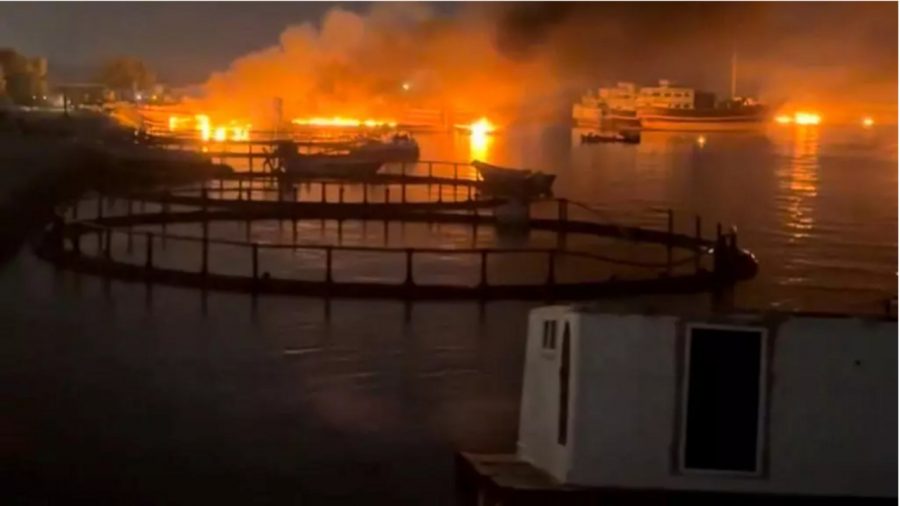
In a dramatic escalation of military actions, the United States has announced that it has conducted strikes on 90 military targets in Iran. This bold move comes as Tehran intensifies its aggressive posturing towards Gulf States, raising concerns about the stability of the region.
Background of the Conflict
The ongoing tensions between the United States and Iran have deep roots, stemming from a complex history of geopolitical interests, nuclear ambitions, and regional power struggles. With both nations holding firm to their respective positions, the situation has grown increasingly volatile.
US Military Actions
According to reports from the Pentagon, the strikes were aimed at key military installations believed to be supporting Iranian operations against Gulf States, particularly in light of recent provocations. The US has justified its actions as necessary to protect its allies and maintain stability in the region.
- Targeted Installations: The US military targeted a range of installations, including missile launch sites, command centers, and logistics hubs.
- Intelligence Operations: These actions were reportedly based on intelligence indicating imminent threats to US interests and its Gulf allies.
- Regional Alliances: The strikes have been supported by several Gulf States, which have expressed gratitude for US involvement in countering Iranian aggression.
Iran’s Response
In retaliation, Iran has vowed to respond decisively to what it calls an act of aggression. Iranian officials have promised to target US military assets in the region and have urged their regional allies to prepare for potential conflicts.
Impact on Gulf States
The ramifications of this military escalation are profound for Gulf States, many of which have long-standing concerns about Iranian influence in the region. As tensions rise, these nations are faced with the difficult task of balancing their relationships with the US and addressing their own security needs.
International Reactions
The international community has expressed a mix of concern and support regarding the US strikes. While some countries view the actions as a necessary measure to deter Iranian aggression, others warn that it could lead to a broader conflict.
Future Implications
The ongoing situation remains fluid, with the potential for further military engagements. Analysts suggest that diplomatic efforts must be intensified to avert a full-scale conflict, as the stakes continue to rise.
Conclusion
The recent military actions by the US against Iranian targets mark a significant escalation in the already tense dynamics of the Middle East. As both sides prepare for possible further confrontations, the need for diplomatic intervention has never been more urgent. The world watches closely as the situation unfolds, hoping for a resolution that brings peace rather than more violence.