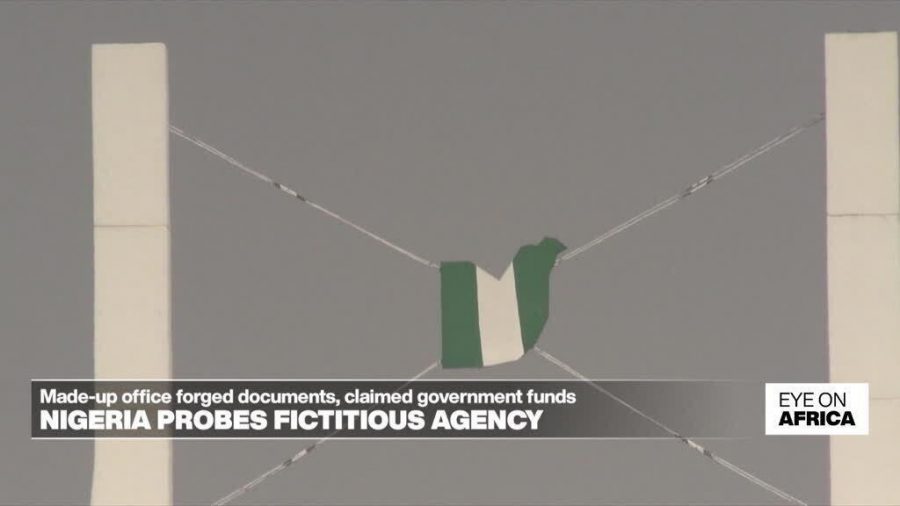
Nigeria’s government is currently embroiled in a startling investigation into a fictitious agency that has managed to deceive authorities and access government funds using forged appointment letters purportedly signed by the president. This shocking revelation has raised questions about the integrity of governmental processes and the need for stricter oversight in public administration.
Unveiling the Fraud
The discovery of the fraudulent agency came to light when financial irregularities were flagged in government audits. Officials were left astonished as they uncovered that this non-existent agency had been able to secure significant amounts of money from state coffers over a prolonged period. Investigators are now working meticulously to trace the origins of these forged documents and identify those responsible for this egregious breach of trust.
The Implications of the Scandal
This incident not only highlights the vulnerabilities present within Nigeria’s financial systems but also raises concerns about accountability and transparency in governance. Analysts suggest that this scandal could lead to a broader overhaul of how government agencies operate and the processes through which funds are allocated. The president has called for a comprehensive review and urged all relevant authorities to cooperate fully with the investigation.
Police Reforms on the Horizon
In a related development, Nigeria’s 36 states are preparing to ratify a significant police reform that will empower them to establish their own police forces. This move comes in response to public outcry over security challenges and the need for localized law enforcement. The proposed reforms are aimed at enhancing community safety and ensuring that police services are tailored to the specific needs of each state.
- Decentralization of Police Forces: By allowing states to create their own police units, the government hopes to improve response times and increase accountability.
- Training and Resources: The new police forces will receive specialized training and resources to effectively tackle local issues.
- Community Engagement: Emphasis will be placed on building trust between law enforcement agencies and the communities they serve.
As the country grapples with these pressing issues, the police reform initiative has been met with both support and skepticism. Some believe that empowering states will lead to better security, while others fear it could result in inconsistencies and potential abuse of power. The upcoming ratification by state governments will be a critical step in determining the future of policing in Nigeria.
Environmental Challenges in Mauritania
Meanwhile, across the border in Mauritania, traditional fishing communities are facing dire challenges due to climate change and overfishing. The once-abundant waters that sustained these communities are now threatened by rising temperatures and unsustainable fishing practices that have depleted fish stocks.
Impact on Local Communities
The repercussions of these environmental changes are profound. Fishermen are reporting dwindling catches, which have led to increased poverty and food insecurity among families. Local leaders are calling for urgent action to implement sustainable fishing practices and safeguard their livelihoods.
- Climate Change Effects: Rising ocean temperatures are altering fish migration patterns, making it harder for fishermen to find adequate catches.
- Overfishing Concerns: Industrial fishing operations are depleting fish stocks faster than they can replenish, threatening the ecosystem.
- Community Resilience: Efforts are underway to promote sustainable fishing initiatives and educate local fishermen on best practices.
The plight of these fishing communities underscores the urgent need for greater environmental stewardship and cooperation between governments and local populations to address the impacts of climate change.