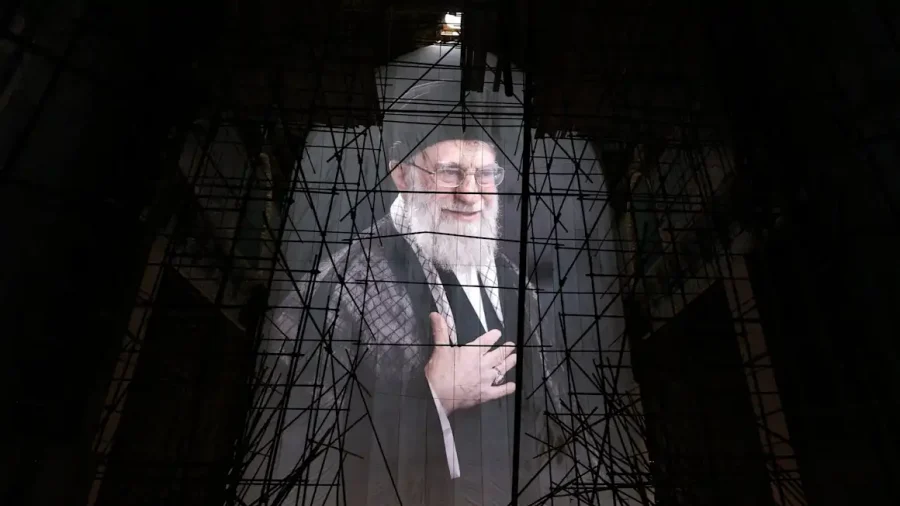
In a historic moment that has left Iran in a state of uncertainty, the passing of Supreme Leader Ali Khamenei has prompted questions about the future direction of the Islamic Republic. With his burial, attention now turns to his son, Mojtaba Khamenei, who is set to confront a landscape of challenges unprecedented in recent history.
The Legacy of Ali Khamenei
Ali Khamenei, who served as Iran’s Supreme Leader since 1989, cultivated a powerful regime that faced both domestic dissent and international scrutiny. His tenure was marked by an unwavering commitment to the principles of the Islamic Revolution, yet it was also characterized by increasing economic hardship and a growing discontent among the populace. As Iranians mourn their leader, they also ponder the future of a regime that has long been synonymous with Khamenei’s leadership.
Who is Mojtaba Khamenei?
While the name Mojtaba Khamenei resonates within the upper echelons of Iranian politics, many ordinary citizens remain unfamiliar with his background and political aspirations. Born in 1967, Mojtaba has largely remained in the shadows of his father’s monumental legacy. His limited public exposure raises questions about his capability to lead a nation rife with economic troubles and social unrest.
Challenges Ahead
The immediate challenges Mojtaba faces are daunting. Iran is grappling with a volatile economy, exacerbated by international sanctions and mismanagement. Inflation has soared, and the value of the national currency has plummeted, leading to widespread protests. In addition to economic issues, Mojtaba must also address the rising tide of dissent among younger generations who seek greater freedoms and reforms.
- Economic Crisis: With inflation rates reaching historic highs, the Iranian populace is struggling to meet basic needs, leading to protests and calls for government accountability.
- International Relations: The new leader will have to navigate a complex web of international relations, especially concerning negotiations surrounding Iran’s nuclear program.
- Internal Dissent: Mojtaba must find a way to quell the unrest among citizens who are increasingly dissatisfied with the status quo.
- Succession of Power: The question of who will succeed Mojtaba as Supreme Leader will loom large, as the regime seeks to maintain its grip on power.
The Path Forward
As discussions around Mojtaba’s leadership begin, analysts suggest that he may need to adopt a more conciliatory approach to governance. Potential reforms could include engaging with opposition voices and addressing the grievances of the Iranian people. However, whether he will have the authority and willingness to implement such changes remains to be seen.
The Role of the Military and Clergy
In Iran’s unique political landscape, the military and religious clerics play a pivotal role in governance. Mojtaba will need to secure their support to solidify his position. The Islamic Revolutionary Guard Corps (IRGC) has historically been a key player in maintaining the regime’s stability, and their backing could prove vital as he navigates his leadership.
Conclusion
The death of Ali Khamenei has ushered in a new era for Iran—one filled with uncertainties and potential upheaval. As his son Mojtaba steps into the spotlight, the eyes of a nation are upon him. Will he rise to the occasion and steer Iran through these turbulent waters, or will he falter under the weight of expectation? Only time will tell, but one thing is clear: the future of Iran hangs in the balance.