The Century-Old Transformer Crisis Threatening AI Growth
As the world races toward advancements in artificial intelligence, an unexpected bottleneck has emerged: the century-old transformer technology that underpins the electrical infrastructure. With data centers proliferating to support AI applications, the demand for power surges, putting immense pressure on transformer supply chains.
The Rising Demand for Data Centers
In the last decade, the proliferation of AI technologies has created a surge in the number of data centers across the globe. These facilities, which house the servers necessary for processing vast amounts of data, require significant electrical power to operate. According to industry experts, the global data center market is projected to grow from $200 billion in 2020 to over $400 billion by 2025, driven by an increasing reliance on cloud services and AI-driven applications.
Transformers: The Unsung Heroes of Power Distribution
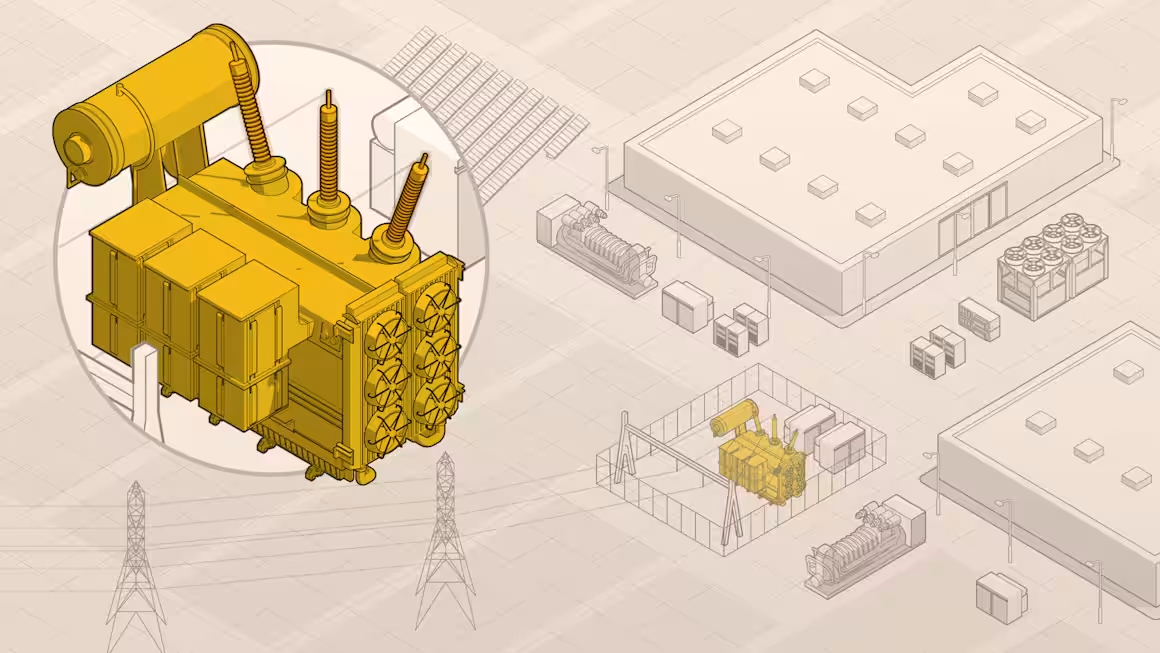
At the heart of every modern data center lies a crucial component: transformers. These devices have been in use for over a century, converting high-voltage electricity from power lines into lower voltages suitable for use by servers and other equipment. While their fundamental design has remained largely unchanged, the demands placed on them have evolved dramatically.
The Supply Chain Strain
The surge in data center construction has led to a corresponding spike in demand for transformers. Unfortunately, the manufacturing process for these devices is complex and time-consuming, often taking several months from order to delivery. Furthermore, the industry has faced significant challenges, including:
- Increased raw material costs due to global supply chain disruptions.
- Labor shortages impacting manufacturing capabilities.
- Regulatory hurdles that can delay production timelines.
These factors have created a perfect storm, resulting in extended wait times for transformers and, in many cases, project delays for new data centers.
The Environmental Impact
The environmental implications of this transformer crisis are also concerning. As data centers consume more energy, the strain on electrical grids intensifies, leading to increased carbon emissions if the energy is sourced from fossil fuels. Additionally, the production of transformers is not environmentally benign; it involves the extraction and processing of metals and other materials that can have detrimental effects on the environment.
Innovations on the Horizon
In response to these challenges, the industry is exploring innovative solutions. One approach involves the development of more efficient transformer designs that can handle higher loads without a significant increase in size or weight. Additionally, advancements in materials science may lead to lighter, more efficient transformers that can be produced more quickly.
Looking Forward
As the demand for AI applications continues to grow, so too will the need for reliable power infrastructure. Addressing the transformer supply chain crisis will require collaboration among manufacturers, government regulators, and industry stakeholders. Without proactive measures, the world’s AI ambitions could be severely hampered, highlighting the importance of modernizing the very technology that has supported electrical infrastructure for over a century.
In conclusion, the intersection of AI growth and transformer supply challenges presents a critical issue that must be addressed. As we look to the future, it is essential to innovate and adapt to ensure that our energy infrastructure can keep pace with the rapidly evolving technological landscape.