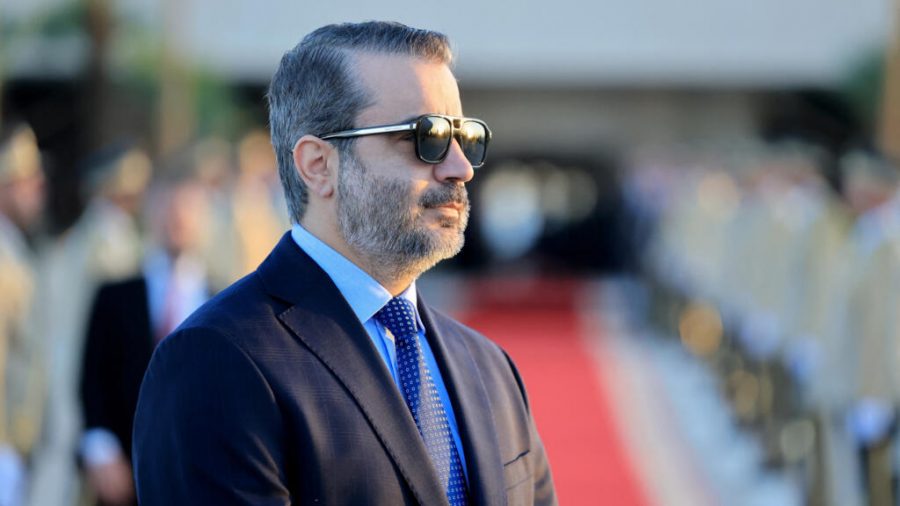
The Rise of Asaad al-Shaibani
In the heart of a region rife with turbulence, a new figure has emerged on the diplomatic scene: Syrian Foreign Minister Asaad al-Shaibani. Appointed amidst a backdrop of ongoing conflict and shifting alliances, Shaibani’s mission is to redefine Syria’s role in a landscape marked by uncertainty and discord.
A Diplomatic Journey Begins
Shaibani’s diplomatic motorcade embarked on its journey shortly after his appointment, venturing from the opulent halls of Riyadh to the bustling streets of Beirut, and extending to the power corridors of Washington and Moscow. His travels symbolize not just a personal mandate but also President Ahmed al-Sharaa’s broader ambition to usher in a new chapter in Middle Eastern history.
Seeking Alliances
Each stop in Shaibani’s itinerary reflects a calculated effort to forge alliances and mend fences. In Riyadh, he engaged with Saudi officials, aiming to soothe tensions that have historically marked Syrian-Saudi relations. Meanwhile, in Beirut, he met with Lebanese counterparts to discuss mutual interests and regional stability.
Engaging Global Powers
Shaibani’s visits to Washington and Moscow highlight the delicate balancing act required to navigate the geopolitical chessboard. In the U.S., he sought to reassure American officials of Syria’s commitment to counter-terrorism efforts, while in Moscow, he emphasized the importance of continued collaboration in the face of shared challenges.
The Challenges Ahead
Despite his robust efforts, Shaibani faces considerable challenges. The Syrian civil war has left deep-seated divisions not only within the country but also across the region. The rebel official-turned-diplomat must contend with the realities of a fractured opposition and a wary international community, both of which question Syria’s stability and reliability as a partner.
Regional Dynamics
Furthermore, as Shaibani works to strengthen Syria’s ties with other nations, he must navigate the complexities of regional dynamics. The ongoing tensions between Iran and Saudi Arabia, the Israeli-Palestinian conflict, and the evolving role of Turkey all add layers of complexity to his diplomatic efforts. Each interaction carries the weight of historical grievances, and the stakes are high.
The View from Damascus
Back in Damascus, the atmosphere is one of cautious optimism. While Shaibani is viewed as a potential catalyst for change, many are aware that the road to a new diplomatic era is fraught with obstacles. Analysts note that while the Syrian government is eager to re-establish its presence on the world stage, it does not hold all the cards in this volatile region.
Conclusion: A New Chapter or Old Challenges?
Asaad al-Shaibani’s journey is emblematic of a broader aspiration for Syria to reclaim its voice in the Middle East. However, the question remains whether his efforts will yield a new chapter in Syrian diplomacy or simply reinforce the old challenges that have long plagued the region. With each meeting, every handshake, and every negotiation, Shaibani is not just shaping Syria’s future but also influencing the intricate web of Middle Eastern politics.