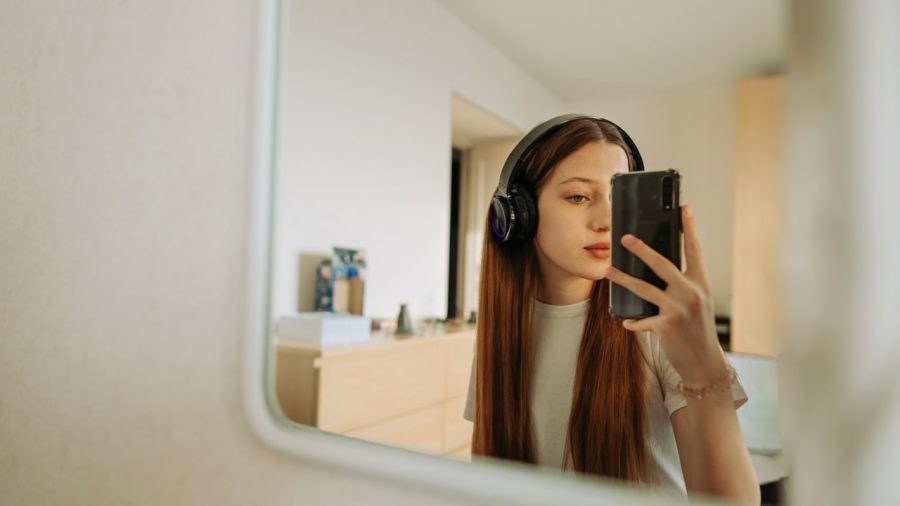
Understanding the Selfie Generation
In an era defined by social media and digital self-expression, the emergence of the so-called “selfie generation” can be traced back to a unique parenting style adopted by the Baby Boomer generation. While Boomers aimed to nurture and protect their children, their well-intentioned efforts may have inadvertently fostered a culture steeped in entitlement and envy.
The Parenting Paradox
Baby Boomers, having experienced the tumultuous changes of the 1960s and 1970s, sought to provide their children with a stable and supportive environment. They aimed to avoid the hardships they faced, often leading to an overabundance of affection and protection. However, this parenting approach has been critiqued for producing a generation that struggles with self-identity and an understanding of social dynamics.
The Rise of Social Media Influence
With the advent of platforms like Instagram, Snapchat, and TikTok, the selfie generation found a new arena for expression. Here, self-worth became increasingly tied to likes, shares, and followers, creating an environment where appearance and popularity matter more than substance. Children raised in a bubble of praise and protection often find themselves unprepared for the harsh realities of adult life, leading to a pervasive sense of envy and competition.
Envy as a Cultural Norm
The politics of envy have taken hold within this generation, as they grapple with the constant barrage of curated lives displayed online. The pressure to project an image of perfection can lead to feelings of inadequacy, as many young people compare their everyday experiences to the highlight reels of others. This phenomenon has resulted in a society that often prioritizes superficial success over genuine achievement.
Breaking the Cycle
To address these issues, it’s essential for both parents and educators to foster resilience and self-esteem in children. Rather than shielding them from failure and disappointment, teaching young people to embrace challenges and learn from mistakes can nurture a healthier mindset. Encouraging open conversations about mental health and the realities of social media can also help mitigate the adverse effects of envy.
Lessons for Future Generations
As we reflect on the implications of our parenting styles, it’s vital to consider the lessons learned. Parents today must find a balance between support and independence, allowing children to explore their identities without the weight of unrealistic expectations. By fostering a sense of community and encouraging collaboration over competition, we can pave the way for a more empathetic generation.
Conclusion
The selfie generation may embody the unintended consequences of Baby Boomers’ parenting choices, but it is not too late to change the narrative. By instilling values of resilience, self-acceptance, and genuine connection, we can help cultivate a future where envy does not dictate our social interactions and self-worth.