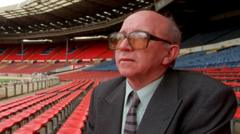
Inquest Ordered into the Death of Football Legend Nobby Stiles
The sporting world is mourning the loss of Nobby Stiles, a celebrated figure in English football, whose death has led to an official inquest. Recent findings by a coroner indicate that Stiles suffered from injuries consistent with repeated head traumas, sparking discussions about the long-term effects of head injuries in contact sports.
The Legacy of Nobby Stiles
Nobby Stiles, who was a key player in England’s 1966 World Cup victory, is remembered not only for his significant contributions on the pitch but also for his tenacity and spirit. His unique style of play and his ability to read the game made him a beloved figure among fans and teammates alike. However, as the news of his passing circulates, it brings to light the serious issue of head injuries in football, a sport that has seen an alarming rise in cases of dementia and other neurological conditions among former players.
Coroner’s Findings Prompt Inquest
The coroner’s investigation revealed that Stiles had injuries that were indicative of chronic head trauma, raising urgent questions about the safety protocols in football and the measures taken to protect players. The inquest, which will examine the circumstances surrounding Stiles’ death, aims to determine the full extent of the injuries and their potential link to his time on the field.
During his career, Stiles faced numerous challenges, including clashes with opponents and the physical demands of top-tier football. Despite these challenges, he remained a dedicated player, and it is this dedication that has led to renewed scrutiny of how the sport addresses head injuries.
Football’s Ongoing Battle with Head Injuries
The announcement of the inquest has reignited the conversation regarding head safety in football. Various studies have shown that players who have sustained multiple concussions or head injuries are at a higher risk for developing conditions like Chronic Traumatic Encephalopathy (CTE), a degenerative brain disease. The symptoms of CTE can include memory loss, mood swings, and severe cognitive decline, often leading to a diminished quality of life.
In recent years, there has been growing advocacy for stricter guidelines on head injuries in sports. Organizations such as the Professional Footballers’ Association (PFA) have called for more comprehensive research into the impact of head injuries and the implementation of better safety measures for players at all levels.
Community Response and Support
The news of Stiles’ inquest has resonated deeply within the football community. Fans, former players, and sports enthusiasts alike have expressed their condolences and support for Stiles’ family while also advocating for improved safety measures in the sport. Many are calling for a more proactive approach to player health and safety, emphasizing the importance of addressing the long-term risks associated with head injuries.
The inquest is expected to draw attention not just to the circumstances of Stiles’ death, but also to the broader issue of player health in football. As the inquest progresses, it will hopefully shed light on necessary reforms that could protect current and future players from similar fates.
Conclusion
Nobby Stiles’ legacy as a footballer is undeniable, but his passing serves as a stark reminder of the hidden dangers of the sport. The upcoming inquest will not only honor his memory but also potentially pave the way for significant changes in how football addresses head injuries. As the world of sports continues to evolve, it is imperative that the health and safety of players remain a top priority.