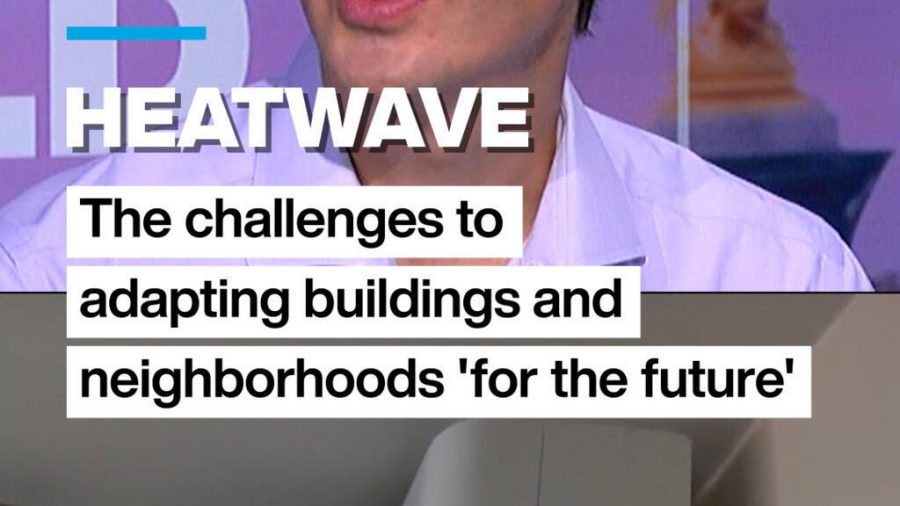
Heatwave Challenges: Adapting Our Built Environment for the Future
As record-breaking temperatures sweep across the globe, the urgency to adapt our buildings and neighborhoods has never been more apparent. Stéphane Kirkland, an expert in sustainable architecture, sheds light on the multifaceted challenges we face in modifying our urban landscapes to withstand the scorching heat of climate change.
The Rising Threat of Heatwaves
The frequency and intensity of heatwaves are increasing, driven by climate change and urbanization. Cities, often referred to as “heat islands,” experience higher temperatures than surrounding rural areas due to human activities and infrastructure. This rise in temperature poses significant risks to public health, energy consumption, and overall quality of life.
Building Design: A Fundamental Shift Needed
Many existing buildings were designed with traditional climates in mind, lacking the necessary features to combat extreme heat. Kirkland emphasizes the need for a fundamental shift in architectural design. “We must rethink how we construct our buildings; it’s not just about aesthetics anymore, it’s about survival in a changing climate,” he states.
Innovative Solutions for Modern Architecture
To address these challenges, architects and urban planners are exploring various innovative strategies:
- Green Roofs: Installing vegetation on rooftops can significantly reduce indoor temperatures while improving air quality.
- Thermal Mass: Utilizing materials that absorb and store heat can help regulate indoor climates, decreasing reliance on air conditioning.
- Reflective Surfaces: Incorporating reflective materials in building exteriors can deflect sunlight and reduce heat absorption.
- Natural Ventilation: Designing for optimal airflow can help cool buildings without the need for mechanical systems.
The Role of Neighborhood Design
Adapting individual buildings is only part of the solution. Neighborhood design plays a critical role in mitigating heat effects. Urban areas can be revitalized with:
- Tree Canopy: Increasing greenery in urban spaces can provide shade and lower surrounding temperatures.
- Permeable Surfaces: Utilizing materials that allow water infiltration can help reduce heat retention and manage stormwater.
- Community Spaces: Creating parks and recreational areas encourages social interaction while providing relief from heat.
Community Involvement: A Key Component
Effective adaptation requires community engagement. Kirkland stresses that solutions should not only come from top-down policies but also incorporate local input. “Communities need to be actively involved in the planning process; they understand their environment better than anyone else,” he asserts.
Policy Changes: A Necessity for Progress
Legislative change is crucial to facilitate these adaptations. Governments must incentivize sustainable building practices and enforce regulations that prioritize climate resilience. Kirkland suggests that policies supporting renewable energy sources and energy-efficient building codes are essential for fostering an environment conducive to innovation.
The Path Forward
As we confront the realities of climate change, the need for adaptive and resilient buildings and neighborhoods is clear. The collaboration between architects, urban planners, policymakers, and community members is vital to ensure the safety and comfort of future generations. By prioritizing sustainable design and community engagement, we can transform our urban landscapes into environments that not only endure but thrive in the face of rising temperatures.
Conclusion
In conclusion, the challenges posed by heatwaves require immediate and sustained action. By rethinking our approach to building and neighborhood design, we can create a future where our urban environments are resilient to the impacts of climate change.