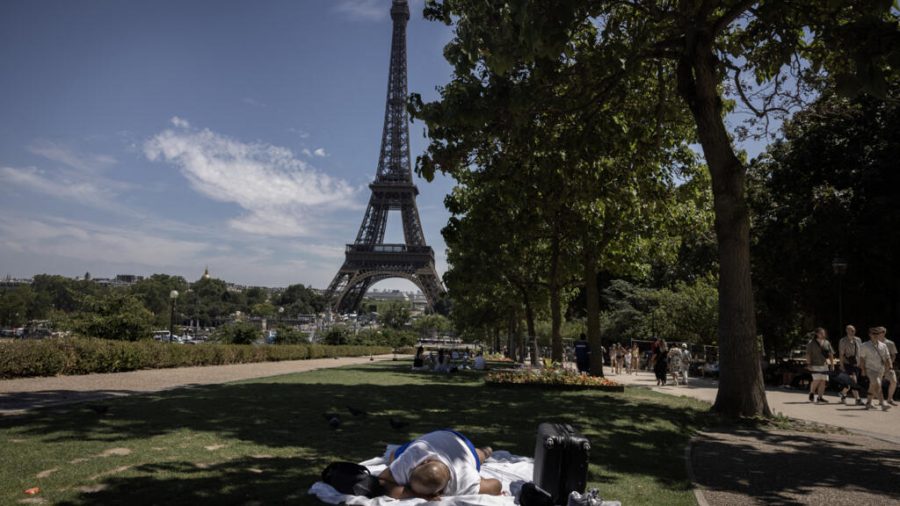
Heatwave Hits France: Early Closures for Paris Landmarks
As France grapples with its third heatwave since May, iconic Paris landmarks such as the Eiffel Tower, the Louvre, and the Musée d’Orsay are set to close their doors earlier than usual this weekend. The soaring temperatures have prompted authorities to take precautionary measures to ensure the safety of both visitors and residents.
Temperature Surge and Its Impact
The current heatwave has seen temperatures across France rise to alarming levels, with some regions experiencing highs exceeding 40 degrees Celsius (104 degrees Fahrenheit). This extreme weather event not only poses health risks but also raises concerns about the potential for wildfires, particularly in dry areas.
The decision to close major tourist attractions earlier is a response to the intense heat, which can lead to exhaustion and heat-related illnesses among visitors. With the Eiffel Tower, one of the most visited monuments in the world, taking the lead in this initiative, other cultural sites are expected to follow suit. The Louvre, home to masterpieces like the Mona Lisa, and the Musée d’Orsay, known for its Impressionist collection, will also adjust their hours to prioritize visitor safety.
Fireworks Cancellations on Bastille Day
The heatwave has had broader implications beyond early closures, as many towns across France have decided to cancel their traditional fireworks displays scheduled for Bastille Day. This annual celebration, which marks the storming of the Bastille prison in 1789 and the beginning of the French Revolution, typically sees vibrant fireworks lighting up the night sky. However, due to the heightened risk of fires in the current dry conditions, local authorities are erring on the side of caution.
Fireworks displays, which draw large crowds, could inadvertently spark wildfires amid the dry grass and parched landscapes. With the country still recovering from previous heatwaves that have exacerbated drought conditions, many municipalities have opted for alternative celebrations that do not involve fire hazards.
Public Health Advisory and Safety Measures
Officials are urging the public to stay hydrated and avoid outdoor activities during peak heat hours. Local health services have issued advisories, reminding citizens to check on vulnerable populations, including the elderly and those with pre-existing health conditions, who may be more susceptible to heat-related health issues.
In addition to the early closures of landmarks and the cancellation of fireworks, several cities have implemented cooling centers in public spaces to provide refuge for those without access to air conditioning. These centers are designed to help individuals cope with the extreme temperatures by providing a cool environment and resources to stay safe.
The Bigger Picture: Climate Change and Future Preparedness
This ongoing heatwave is not just a seasonal anomaly; it is part of a larger trend linked to climate change. Experts warn that such extreme weather events are likely to become more frequent and intense in the coming years, necessitating a reevaluation of how cities prepare for and respond to heatwaves.
As France continues to face the challenges of rising temperatures, the lessons learned from this summer may lead to more stringent regulations and innovative solutions to protect both cultural landmarks and public health in future summers.
Conclusion
The early closure of Paris landmarks this weekend serves as a stark reminder of the impacts of climate change and the importance of prioritizing public safety. As the nation celebrates its storied history on Bastille Day, it must also confront the pressing reality of adapting to a changing climate.