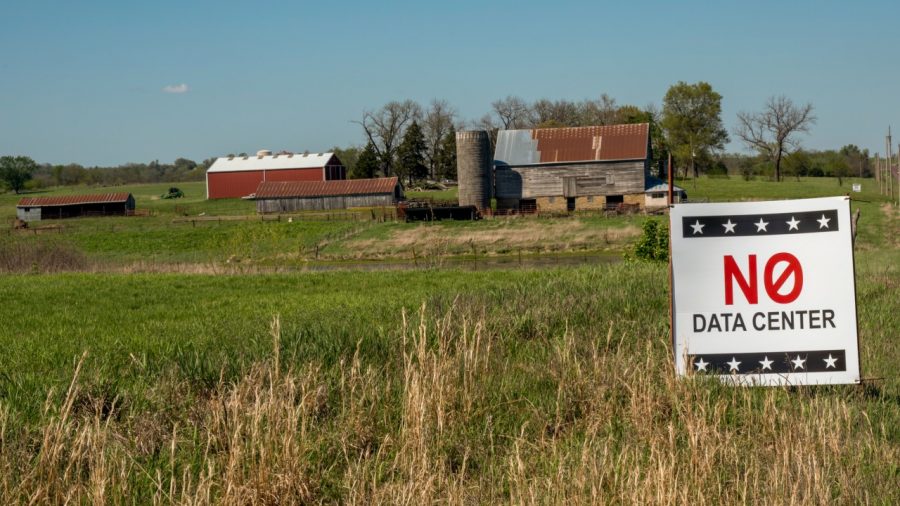
A New Challenge for Agriculture: The Rise of AI Data Centers
As the demand for artificial intelligence (AI) continues to surge, a new contender has emerged in the battle for land and resources: data centers. Farmers, ranchers, and agricultural companies are becoming increasingly vocal about the adverse impacts that these facilities are having on their livelihoods, particularly concerning the use of precious water resources and the encroachment on fertile farmland.
The Competing Interests of Agriculture and Technology
The rapid expansion of AI technology has led to a boom in data center construction across the country. These facilities, which house vast amounts of computer servers and require significant amounts of energy and water, are often built in rural areas where land is more affordable. However, the agricultural community is raising alarms about the long-term consequences of sacrificing farmland for tech infrastructure.
Water Shortages and Agricultural Impact
Water is the lifeblood of agriculture, and farmers depend on it to grow crops and sustain livestock. However, data centers consume enormous quantities of water for cooling purposes, leading to concerns that this demand could deplete local water supplies. According to a recent study, data centers can use as much as 1.5 million gallons of water per day, which can create significant challenges for nearby farms that rely on the same water sources.
- Farmers’ Concerns: Many farmers have reported reduced water availability due to the influx of data centers in their regions.
- Long-term Effects: The potential for water shortages could jeopardize crop yields and livestock health.
- Environmental Impact: The construction and operation of data centers can also lead to habitat destruction and increased carbon emissions.
Local Responses and Legislative Action
In response to these challenges, various local farmer associations and advocacy groups are mobilizing to push for stricter regulations on data center development. They argue that the interests of agriculture should take precedence over those of the tech industry, especially in areas that are already vulnerable to water scarcity. Some states are considering legislation to limit the expansion of data centers in agricultural zones or to impose stricter water usage regulations on these facilities.
The Broader Implications for Food Security
The conflict between farmers and data centers is not just a localized issue; it raises broader questions about food security and sustainability. As the global population continues to grow, the need for increased agricultural production becomes paramount. However, if farmland continues to be repurposed for tech infrastructure, food supply chains could be further strained.
Striking a Balance
Finding a balance between technological advancement and agricultural sustainability will be crucial moving forward. Stakeholders from both sides will need to engage in dialogue to explore solutions that can accommodate both the growth of AI and the preservation of vital farmland. Innovative approaches, such as developing data centers that utilize renewable energy and sophisticated water recycling systems, could help mitigate some of the environmental impacts while allowing for continued agricultural production.
The Future of Farming and Technology
As the debate continues, it is clear that farmers are not willing to stand by as their resources are threatened. The emergence of data centers as a new foe in the agricultural landscape underscores the need for careful planning and consideration of all stakeholders involved. The road ahead may be challenging, but collaboration and innovation could pave the way for a future where technology and agriculture can coexist sustainably.