Introduction
China’s rural vitalisation strategy is reshaping the future of global development, marking a significant shift in the country’s approach to poverty reduction and economic growth. Having declared a victory over absolute poverty at the start of the decade, Beijing did not simply declare the mission accomplished and move on. Instead, the Chinese government has embarked on an ambitious plan to revitalise its rural areas, with far-reaching implications for the global community.
The Context
In recent years, China has made tremendous progress in reducing poverty, with hundreds of millions of people lifted out of poverty since the 1970s. However, despite this progress, significant disparities remain between urban and rural areas, with many rural communities lacking access to basic services such as healthcare, education, and sanitation.
The Rural Vitalisation Strategy
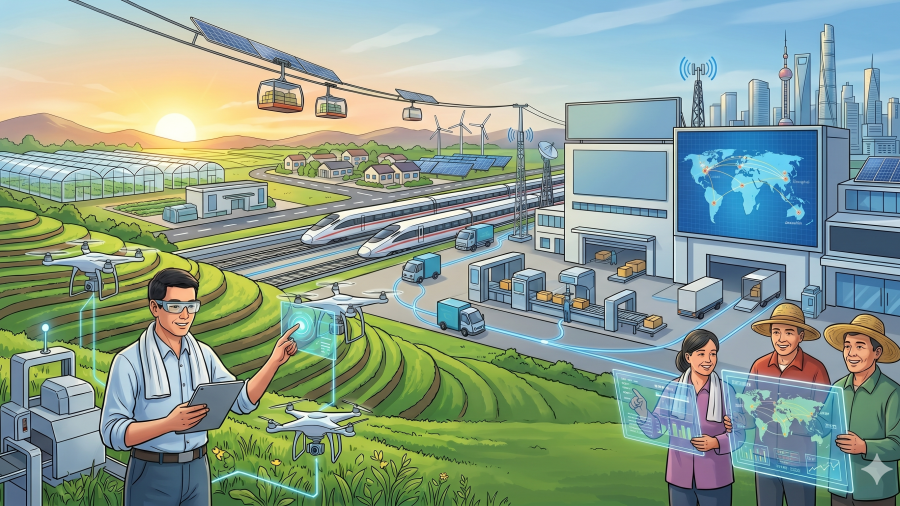
The rural vitalisation strategy is a comprehensive plan aimed at addressing these disparities and promoting sustainable development in rural areas. The strategy focuses on several key areas, including:
- Agricultural modernisation: improving agricultural productivity and efficiency through the adoption of new technologies and practices
- Rural infrastructure development: investing in roads, bridges, and other critical infrastructure to connect rural communities to urban centers and global markets
- Human capital development: providing training and education programs to enhance the skills and employability of rural residents
- Environmental protection: promoting sustainable practices and protecting natural resources to ensure the long-term viability of rural ecosystems
Implications for Global Development
The rural vitalisation strategy has significant implications for global development, as it offers a new model for addressing poverty and promoting sustainable development in rural areas. The strategy’s focus on integrated development, which combines economic, social, and environmental objectives, provides a useful framework for other countries seeking to address similar challenges.
Conclusion
In conclusion, China’s rural vitalisation strategy is a groundbreaking initiative that is reshaping the future of global development. As the world’s most populous country, China’s experiences and lessons learned will be closely watched by other nations, and its approach to rural development is likely to have a lasting impact on the global community.