Introduction
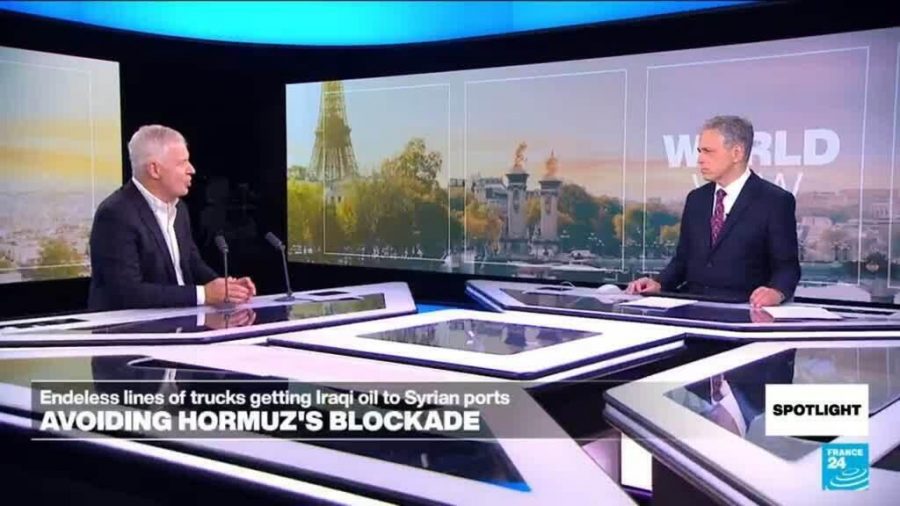
The world is on the brink of a catastrophic food security crisis, and it’s not just about oil and conflict. François Picard recently sat down with John Denton, Secretary General of the International Chamber of Commerce, to discuss the looming threat to global food systems. According to Denton, the Strait of Hormuz is a critical factor in this crisis, but not just because of its importance to the oil and gas industry.
The Strait of Hormuz: A Critical Chokepoint
The Strait of Hormuz is a narrow waterway that connects the Persian Gulf to the Gulf of Oman, and it’s a vital shipping route for international trade. While it’s often associated with oil exports, the strait is also a key passage for other essential goods, including fertilizer. Denton warns that the deterioration of access to fertilizer is a major concern, as it poses a cataclysmic risk to global food systems.
Food Security Crisis
The world is already experiencing a significant increase in food prices, and the situation is expected to worsen in the coming months. The conflict in Ukraine, COVID-19 pandemic, and climate change have all contributed to the current crisis, but the shortage of fertilizer is a new and pressing issue. Fertilizer is essential for crop production, and without it, farmers will struggle to meet the world’s food demands.
Causes of the Crisis
So, what’s causing the shortage of fertilizer? There are several factors at play, including:
- Geopolitical tensions: The conflict in Ukraine has disrupted global supply chains, making it difficult for countries to access the fertilizer they need.
- Economic sanctions: Sanctions imposed on certain countries have limited their ability to import fertilizer, exacerbating the shortage.
- Climate change: Extreme weather events and changing weather patterns are affecting crop yields and fertilizer production, further contributing to the crisis.
Consequences of Inaction
If the world fails to address the fertilizer shortage, the consequences will be severe. Food prices will continue to rise, making it difficult for people to access nutritious food. This will have a disproportionate impact on vulnerable populations, including the poor, children, and the elderly. The crisis will also have significant economic and social implications, including:
- Increased poverty: As food prices rise, more people will be pushed into poverty, making it difficult for them to access basic necessities.
- Social unrest: The crisis could lead to social unrest, as people become desperate and frustrated with the lack of access to food.
- Economic instability: The crisis will have a significant impact on the global economy, as trade and commerce are disrupted.
Conclusion
The world is facing a catastrophic food security crisis, and it’s essential that we take immediate action to address the shortage of fertilizer. The Strait of Hormuz is a critical component in this crisis, and it’s not just about oil and gas. As Denton warns, the deterioration of access to fertilizer poses a cataclysmic risk to global food systems. It’s time for the international community to come together to address this crisis and ensure that everyone has access to nutritious food.