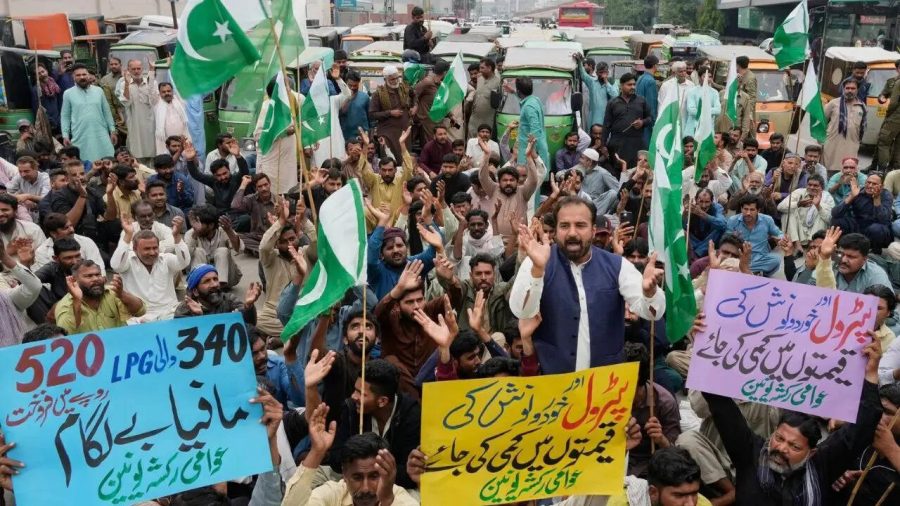
Pakistan has admitted its vulnerability to global oil shocks due to the lack of strategic oil reserves, leaving it exposed to price volatility. This admission comes as the country faces a deepening fuel crisis, with soaring crude prices putting a strain on its economy.
Pakistan’s Limited Reserves
Unlike India, which has a robust strategic oil reserve that can last for 60-70 days, Pakistan’s limited reserves make it difficult for the government to stabilize prices. The country’s energy sector is heavily reliant on imports, and the lack of a strategic reserve means that it is at the mercy of global market fluctuations.
Comparison with India
India’s strategic oil reserves have provided the country with a significant amount of fiscal space, allowing it to maintain stable prices even in the face of soaring global crude prices. In contrast, Pakistan’s limited reserves and lack of fiscal space have restricted its ability to offer consumer relief, making it difficult for the government to mitigate the impact of the fuel crisis on its citizens.
IMF Commitments
Pakistan’s commitments to the International Monetary Fund (IMF) have further restricted its ability to respond to the fuel crisis. The government is required to implement austerity measures and reduce its budget deficit, which limits its ability to provide subsidies or other forms of relief to consumers.
Consequences of the Fuel Crisis
The fuel crisis has had a significant impact on Pakistan’s economy, with soaring prices affecting everything from transportation to industry. The lack of a strategic oil reserve has made it difficult for the government to stabilize prices, and the country’s energy sector is struggling to cope with the demand.
- The fuel crisis has led to widespread power outages and shortages of essential goods.
- The lack of a strategic oil reserve has made Pakistan vulnerable to global oil shocks.
- The government’s inability to provide consumer relief has exacerbated the impact of the crisis on citizens.
Pakistan’s energy sector is in urgent need of reform, with the development of a strategic oil reserve a key priority. The government must also explore alternative energy sources and improve the efficiency of its energy sector to reduce its reliance on imports and mitigate the impact of future fuel crises.