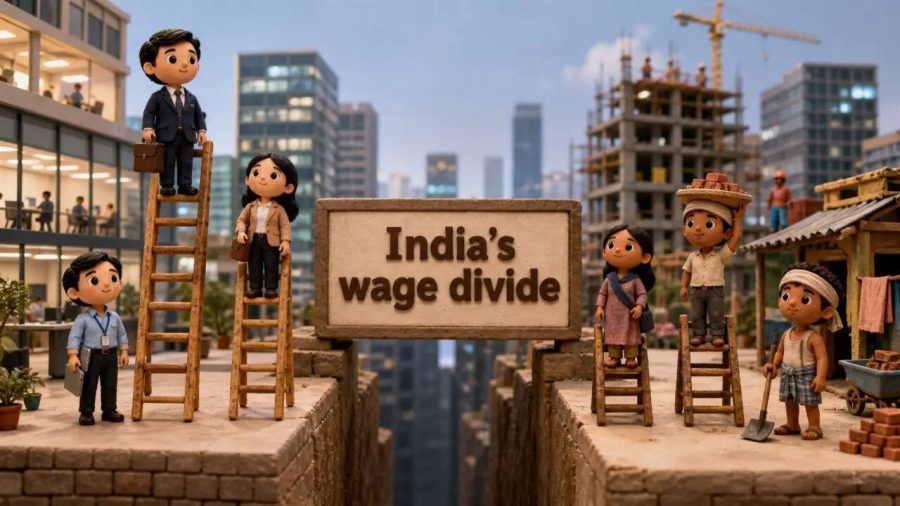
More Work, Less Security: The Hidden Divide in India’s Job Story
India’s labor market presents a paradox. While the overall workforce participation has seen a notable increase, a closer examination reveals significant disparities that raise serious concerns about job quality and security.
The Rise in Workforce Participation
Recent reports indicate that India has made strides in increasing its workforce participation rate, with millions more individuals entering the job market. This surge is often celebrated as a sign of economic growth and progress. However, the nature of this participation tells a different story.
The Prevalence of Informal Employment
A large portion of the new jobs being created are in the informal sector, characterized by a lack of job security, benefits, and reliable income. Informal employment includes self-employment, casual labor, and jobs that do not provide contracts or social security. According to recent studies, approximately 85% of Indian workers are employed informally, a statistic that raises alarms about the sustainability of this growth.
Gender Disparities in Job Opportunities
Gender plays a significant role in determining job security and access to quality employment. Women in India face multiple barriers to entering the workforce, including societal norms, lack of access to education, and safety concerns. Even when women do enter the labor market, they often find themselves in lower-paying, less secure jobs compared to their male counterparts. This gender gap not only perpetuates inequality but also limits the potential for economic growth.
Regional Disparities: Urban vs. Rural Employment
Location is another critical factor influencing the quality of jobs available. Urban areas tend to offer more opportunities for stable and well-paying jobs, while rural regions struggle with high unemployment rates and limited access to resources. Many rural workers are forced to migrate to cities in search of better opportunities, often ending up in informal jobs with little security.
The Impact of Economic Policies
The Indian government has launched various initiatives aimed at boosting employment and supporting self-employment. However, these policies often fail to address the underlying issues of job quality and security. Without a focus on formalizing the labor market and improving working conditions, the increase in workforce participation may not lead to meaningful economic advancement for many.
Looking Ahead: A Call for Change
To create a more equitable job market, policymakers must prioritize the formalization of employment and the establishment of labor rights. Investments in education, training, and social safety nets are crucial for empowering workers and ensuring that the benefits of economic growth are shared more broadly across society.
As India continues to develop, the challenge will be to balance the quantity of jobs created with the quality of those jobs. Addressing the disparities in access to stable employment based on gender and location is essential for fostering a more inclusive economy.
Conclusion
The hidden divide in India’s job story reveals that while more people are working, the nature of their employment often leaves much to be desired. Bridging the gap in job quality and opportunity is vital for India’s future economic stability and social equity.