Investigating the Roots of Anti-Semitism in Europe
As anti-Semitic incidents rise across Europe, particularly highlighted by a recent attack in London, questions arise regarding the underlying influences driving these acts of hatred. A closer examination suggests that Iran’s hybrid warfare tactics may play a significant role in this troubling trend.
Recent Incidents and Media Coverage
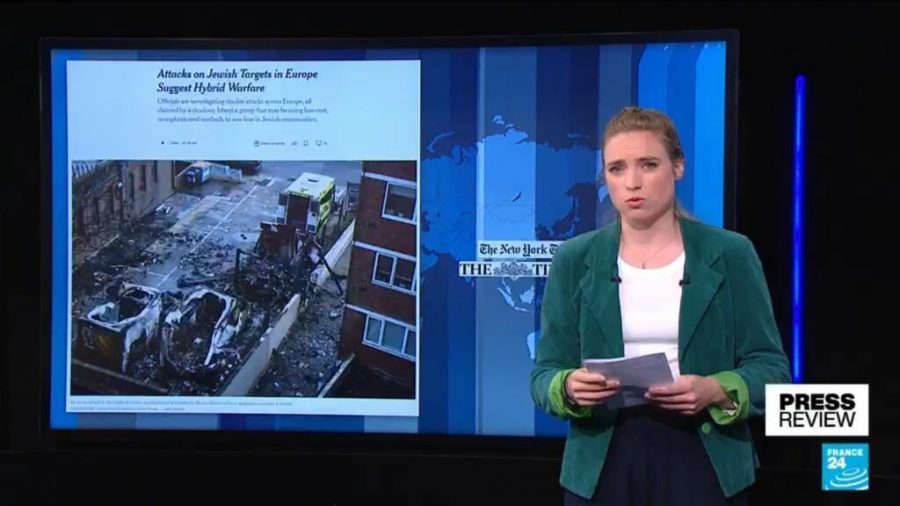
On May 1, major British newspapers were abuzz with reports of an anti-Semitic attack in London, reigniting discussions about the broader implications of such violence. This incident has not only shocked the local community but also prompted international scrutiny regarding the motivations behind these attacks.
Understanding Hybrid Warfare
The New York Times has recently delved into the concept of hybrid warfare, which blends conventional military tactics with cyber warfare, disinformation campaigns, and other forms of subversion. This multifaceted approach is not only aimed at state actors but has increasingly targeted marginalized communities, particularly Jewish populations in Europe.
Iran has been identified as a key player in utilizing these hybrid methods. By promoting anti-Semitic narratives and funding extremist groups, Iran seeks to destabilize regions and sow discord among its adversaries. This strategy has manifested in various forms across Europe, from social media campaigns to direct violence.
The Role of Social Media
Social media platforms have become a battleground for the dissemination of anti-Semitic propaganda. Reports indicate that Iranian-backed entities are leveraging these platforms to spread hate speech and incite violence against Jewish communities. This digital landscape complicates the fight against anti-Semitism, as it allows for rapid and widespread dissemination of inflammatory content.
Response from the Jewish Community
In response to the uptick in anti-Semitic attacks, Jewish organizations across Europe are mobilizing to combat this tide of hatred. Initiatives include educational programs aimed at promoting tolerance and understanding, as well as increased security measures to protect vulnerable communities.
Broader Implications for Europe
The implications of rising anti-Semitism are profound, not only for Jewish communities but for the fabric of European society itself. As nations grapple with the resurgence of hate, the need for cohesive policy responses becomes increasingly urgent.
- Increased Security Measures: Many European countries are ramping up security around Jewish institutions, recognizing the need to protect these communities.
- Educational Initiatives: Schools and organizations are implementing programs to combat anti-Semitism through education.
- Community Engagement: Fostering dialogue between different communities is crucial in building understanding and reducing tensions.
The Intersection of Politics and Society
The rise of anti-Semitism cannot be viewed in a vacuum. Political rhetoric across Europe has shifted, with some leaders adopting stances that embolden extremist ideologies. The normalization of hate speech in political discourse serves to validate and amplify the actions of those who would perpetrate violence against minority communities.
Looking Forward
As the situation evolves, it is imperative for European nations to confront the underlying factors contributing to anti-Semitism. This includes addressing the influence of foreign entities like Iran that exploit societal fractures to advance their geopolitical agendas.
The fight against anti-Semitism is not just a challenge for Jewish communities but one that calls for a united front from all sectors of society. Only through concerted efforts can Europe hope to combat the rising tide of hatred and ensure a safe and inclusive environment for all its citizens.