Veterans Commissioner Addresses Soldiers’ Stance on Troubles Legacy Cases
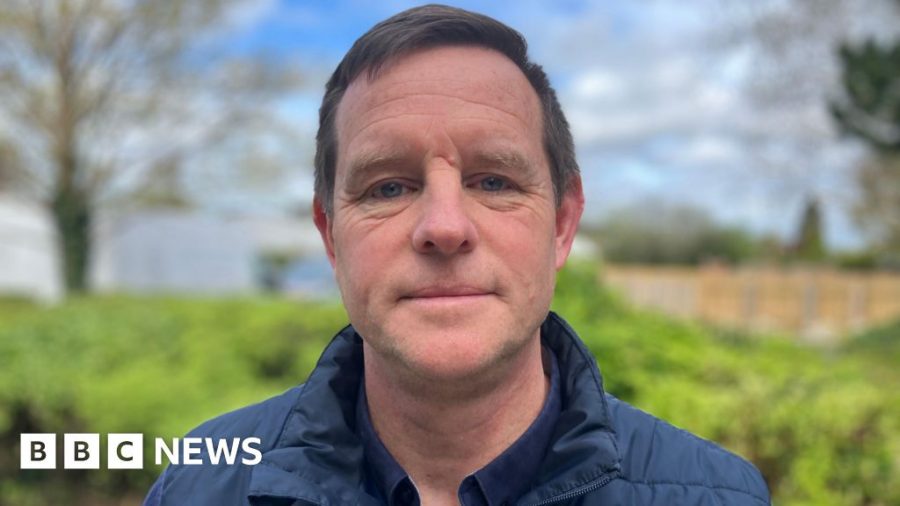
In a recent statement that has stirred discussions regarding the legacy of the Troubles in Northern Ireland, David Johnstone, the Veterans Commissioner, clarified that soldiers involved in these historical cases are not seeking immunity. Johnstone’s comments come amid ongoing debates about how best to address the complex issues surrounding the legacy of the conflict.
Context of the Troubles and Legacy Cases
The Troubles, a conflict that spanned from the late 1960s to 1998, resulted in significant loss of life and deep-rooted societal divisions. As Northern Ireland continues to navigate the aftermath, the question of how to deal with past events remains contentious. Various approaches have been proposed, including public inquiries, truth commissions, and criminal investigations. However, Johnstone argues that coroners’ inquests may not be the most suitable method for addressing these legacy cases.
Johnstone’s Perspective on Inquests
According to Johnstone, coroners’ inquests, which are designed to investigate the circumstances surrounding deaths, may not provide the comprehensive understanding needed to address the complexities of the Troubles. “Inquests often focus on specific incidents without considering the broader context of the conflict,” he stated. He believes that a more holistic approach is necessary to fully appreciate the historical and societal factors at play.
The Call for Comprehensive Solutions
In his remarks, Johnstone emphasized the need for a thorough examination of legacy cases that goes beyond the narrow scope of inquests. He argues for a framework that can accommodate the diverse narratives of those affected by the Troubles, including veterans, victims, and their families. This could involve establishing a dedicated commission tasked with gathering testimonies and examining the multifaceted impacts of the conflict.
Support for Veterans
As the Veterans Commissioner, Johnstone is particularly concerned about the treatment of former soldiers who served during the Troubles. Many veterans feel they are being unfairly targeted in legal proceedings related to historical events. Johnstone asserts that it is crucial to ensure that these individuals are supported and protected, rather than subjected to ongoing scrutiny that could further exacerbate the trauma associated with their service.
Community Reactions
The response to Johnstone’s comments has been mixed, with some stakeholders applauding his advocacy for veterans, while others argue that all victims of the Troubles deserve an equal platform for their experiences to be heard and validated. Various community groups have called for a balanced approach that does not prioritize one narrative over another.
Looking Ahead
As Northern Ireland grapples with its past, the discussions surrounding how to address legacy cases will likely continue to evolve. Johnstone’s insights shed light on the complexities involved and highlight the need for a thoughtful dialogue that includes all voices. The path forward will require collaboration among government officials, community leaders, and those directly affected by the Troubles.
Conclusion
Ultimately, the legacy of the Troubles is a profound and sensitive issue that demands careful consideration. While Johnstone’s perspective on coroners’ inquests adds a new dimension to the ongoing debate, it is clear that a comprehensive and inclusive approach is essential for healing and reconciliation in Northern Ireland.